CATEGORY:
YEAR:
2012-2019
ROLE:
UI, UX, User Research, Product Management, Marketing Design, Branding Design
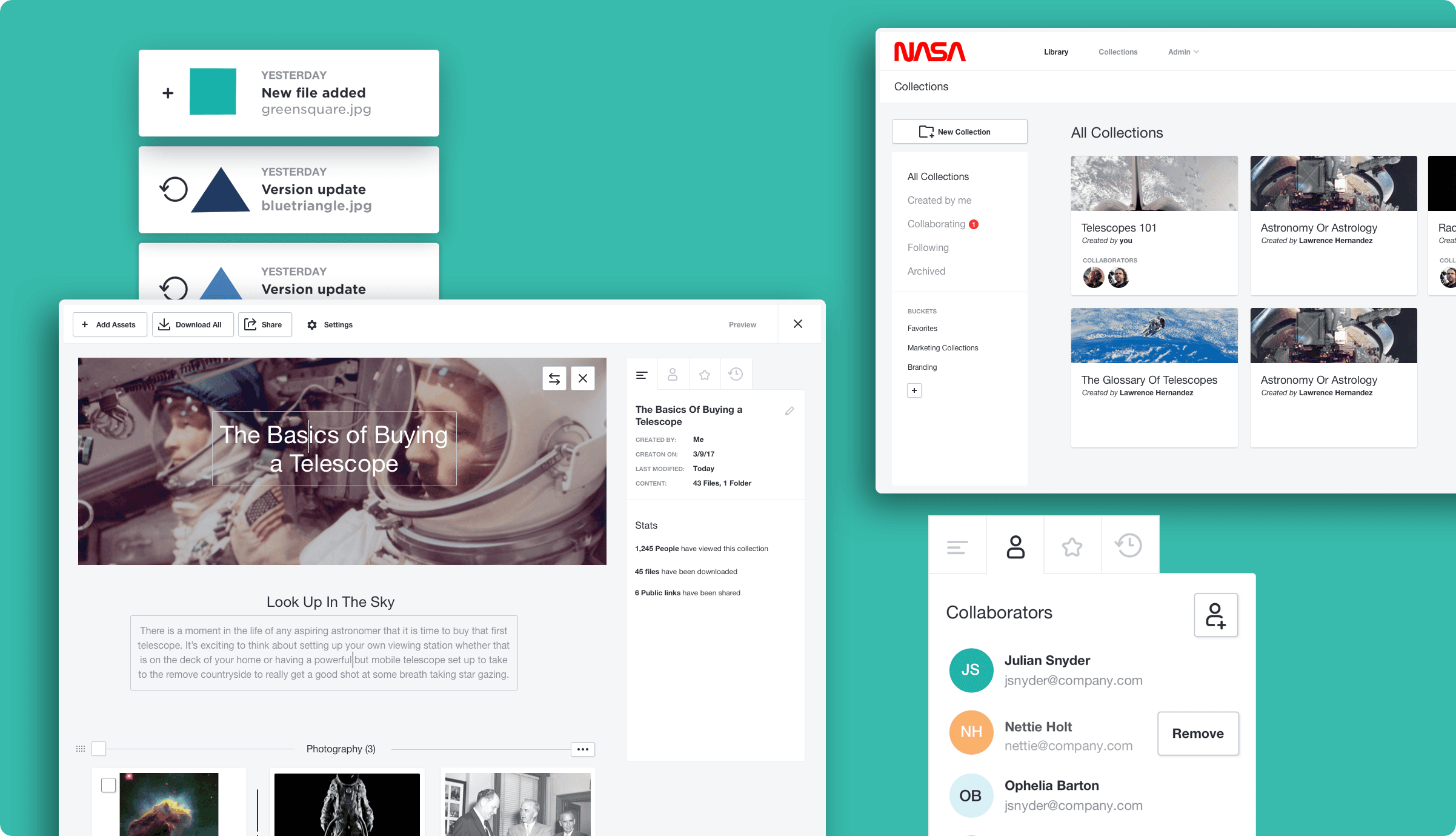
Image Relay was a small but mighty Vermont SaaS company — a digital asset management platform used by 400+ companies worldwide. I started there in 2012 as a freelancer and came back four years later as their first full-time designer. Over the next two-and-a-half years I owned the entire design function: product, research, marketing site, and a fair bit of strategy.
This is what I got up to.
Setting up a way to work
I'd just come from IBM, where I'd spent a year working on bringing design thinking into the enterprise. When I rejoined Image Relay full-time in 2016, I wanted to bring some of that with me. Less "what should we build next," more "what's the actual problem we're solving."
But before I could change how we made decisions on individual features, I needed to change how we made decisions, period. The team was small, scrappy, and good at shipping. What it didn't have was a shared way of figuring out what to ship and why. So that's where I started.
The process
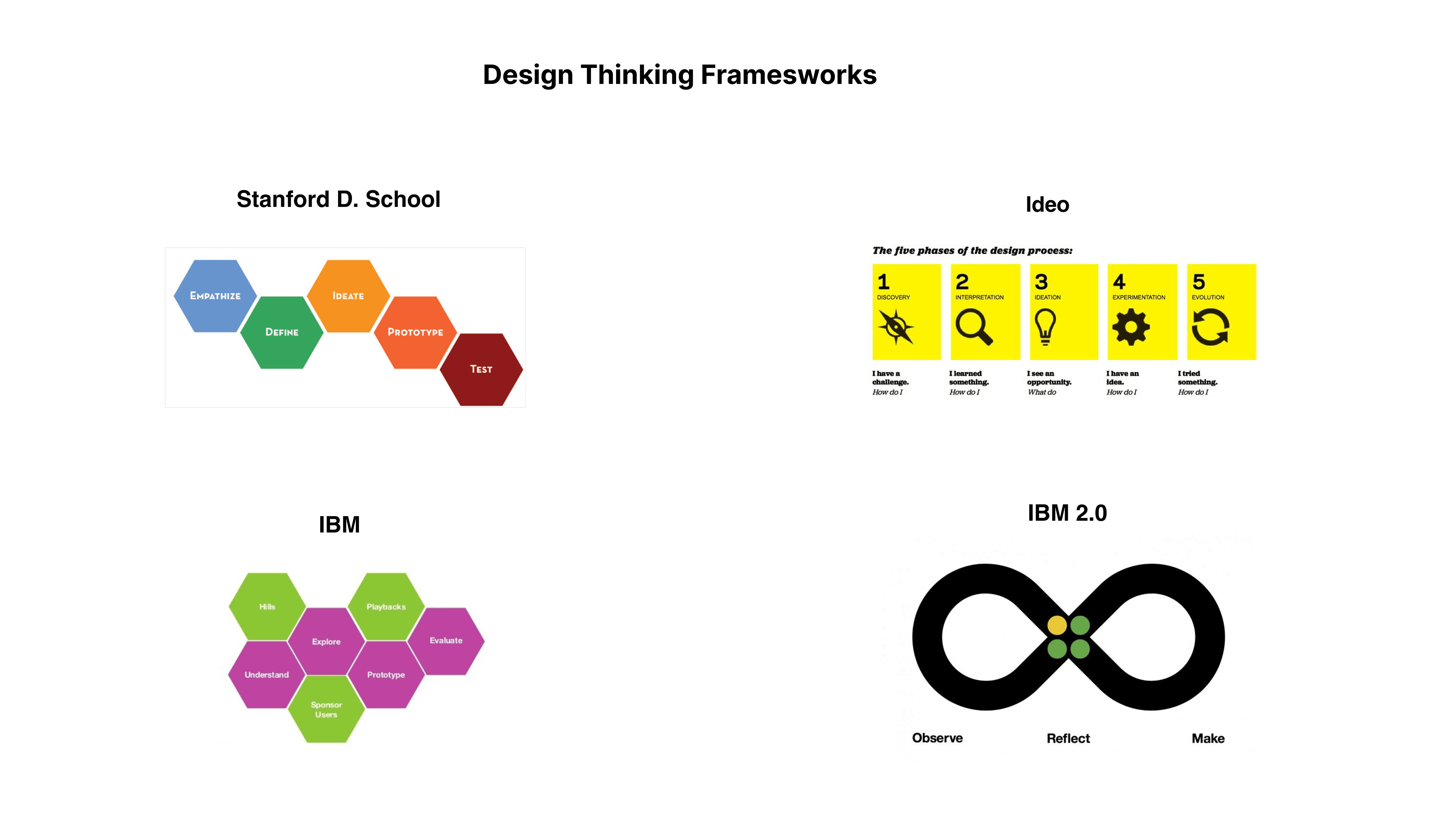
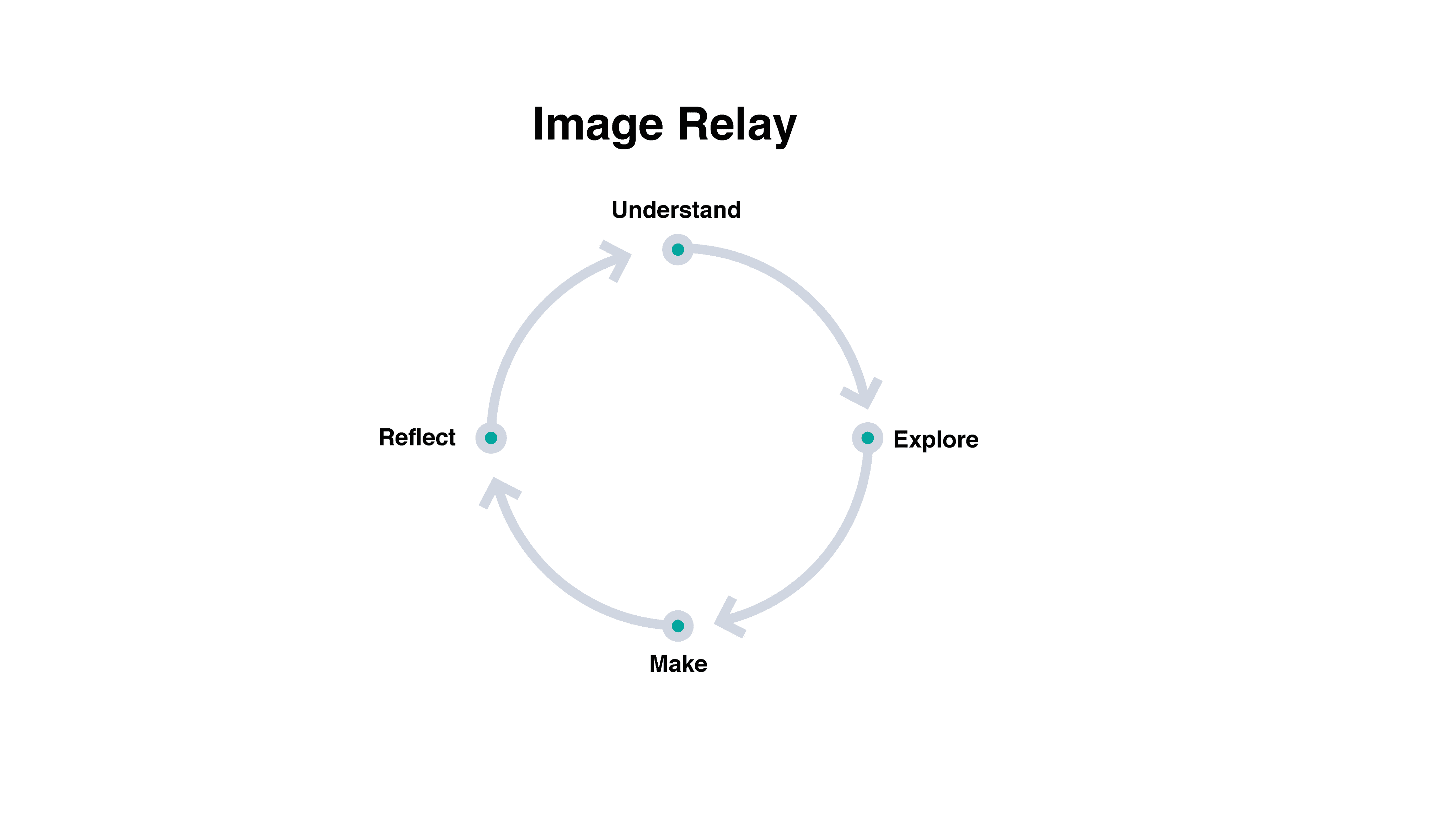
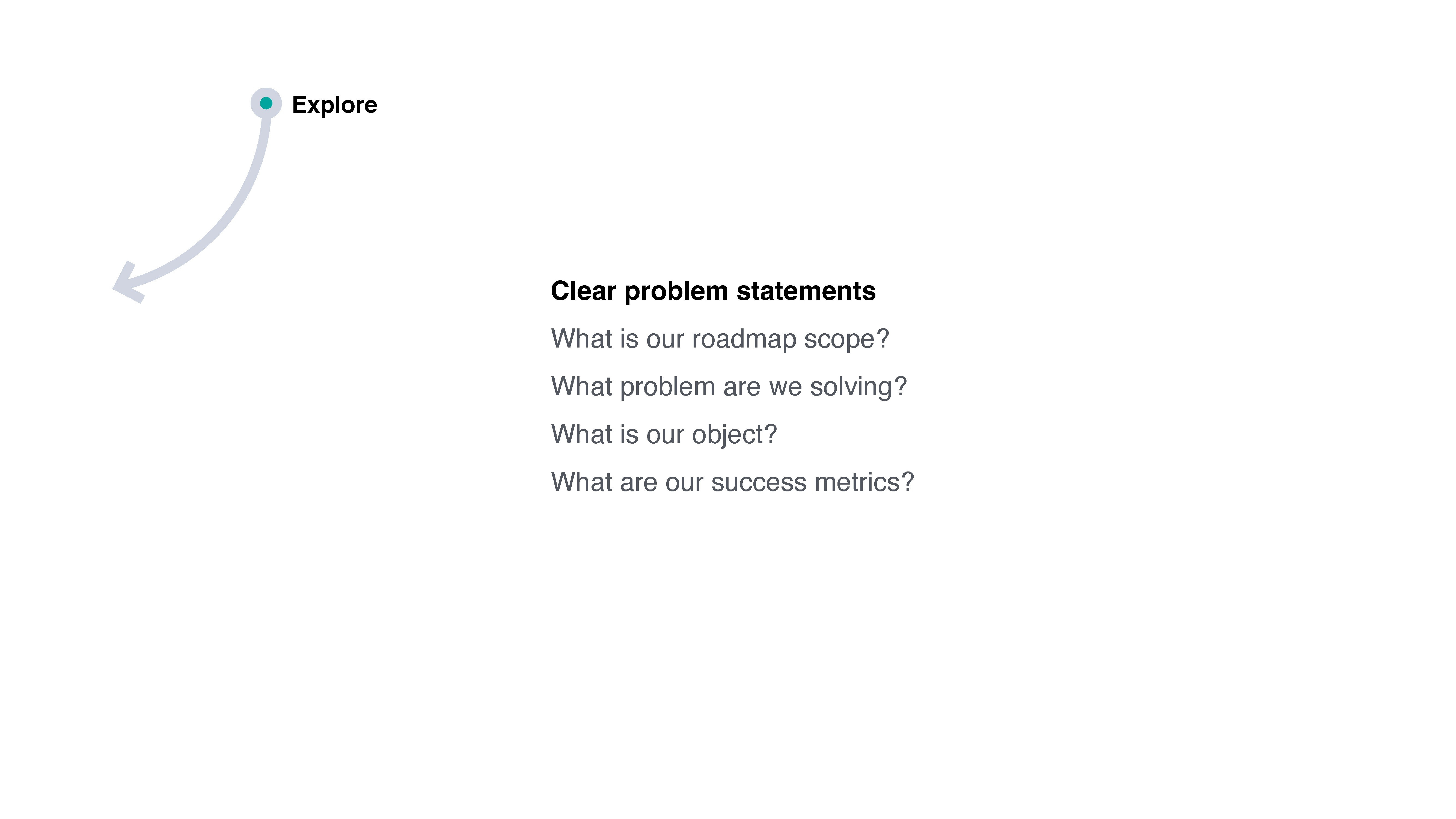
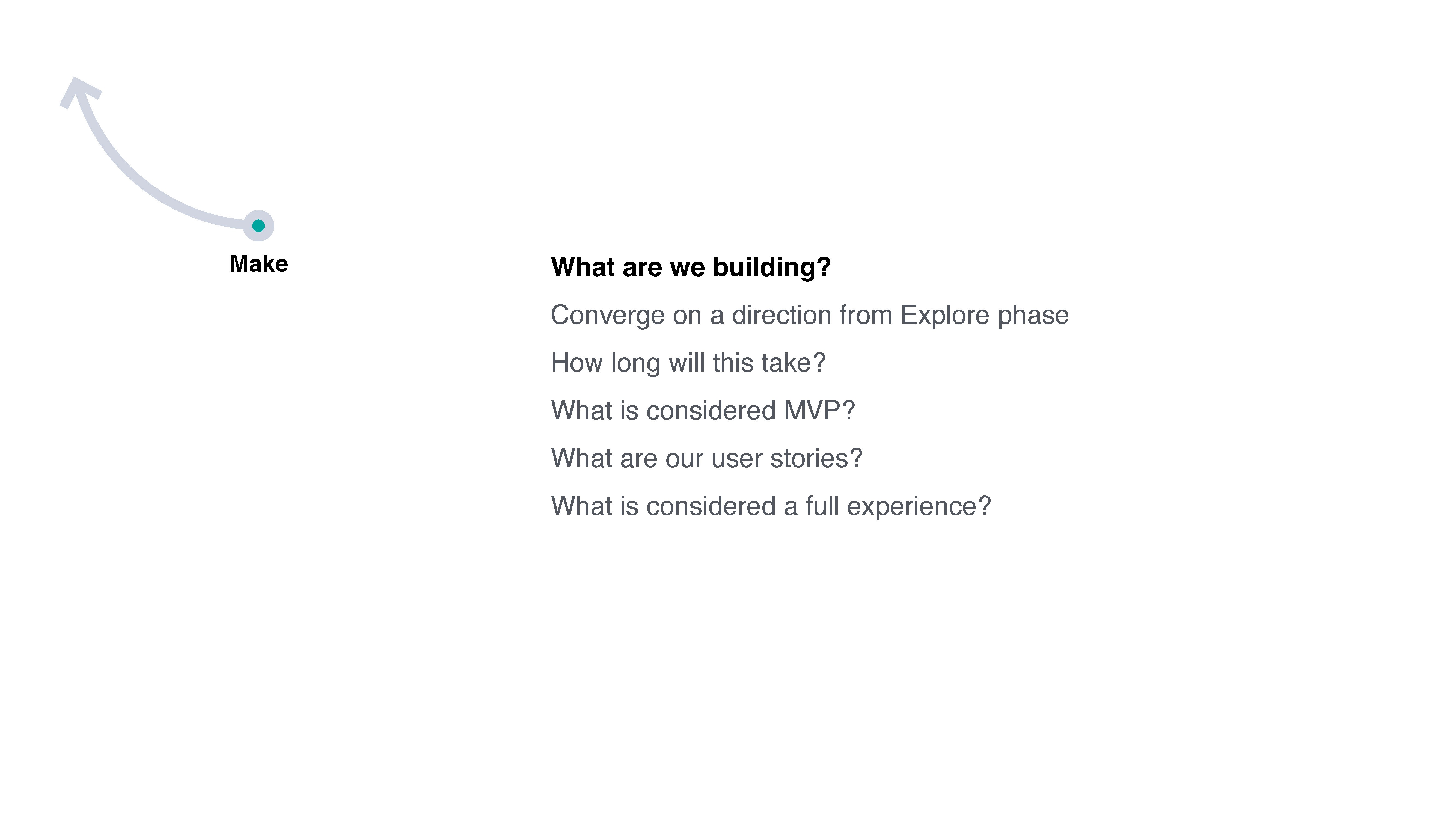
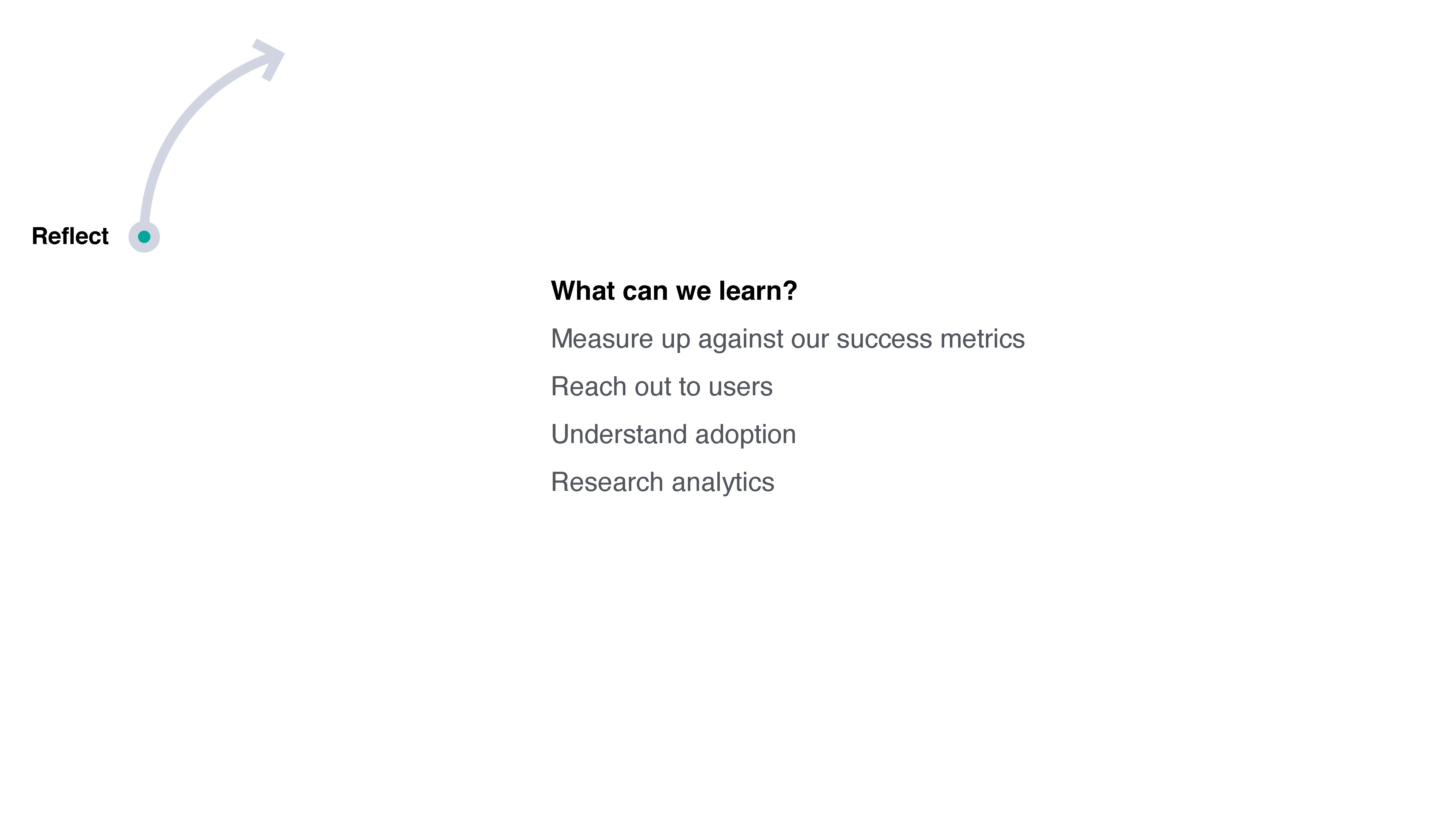
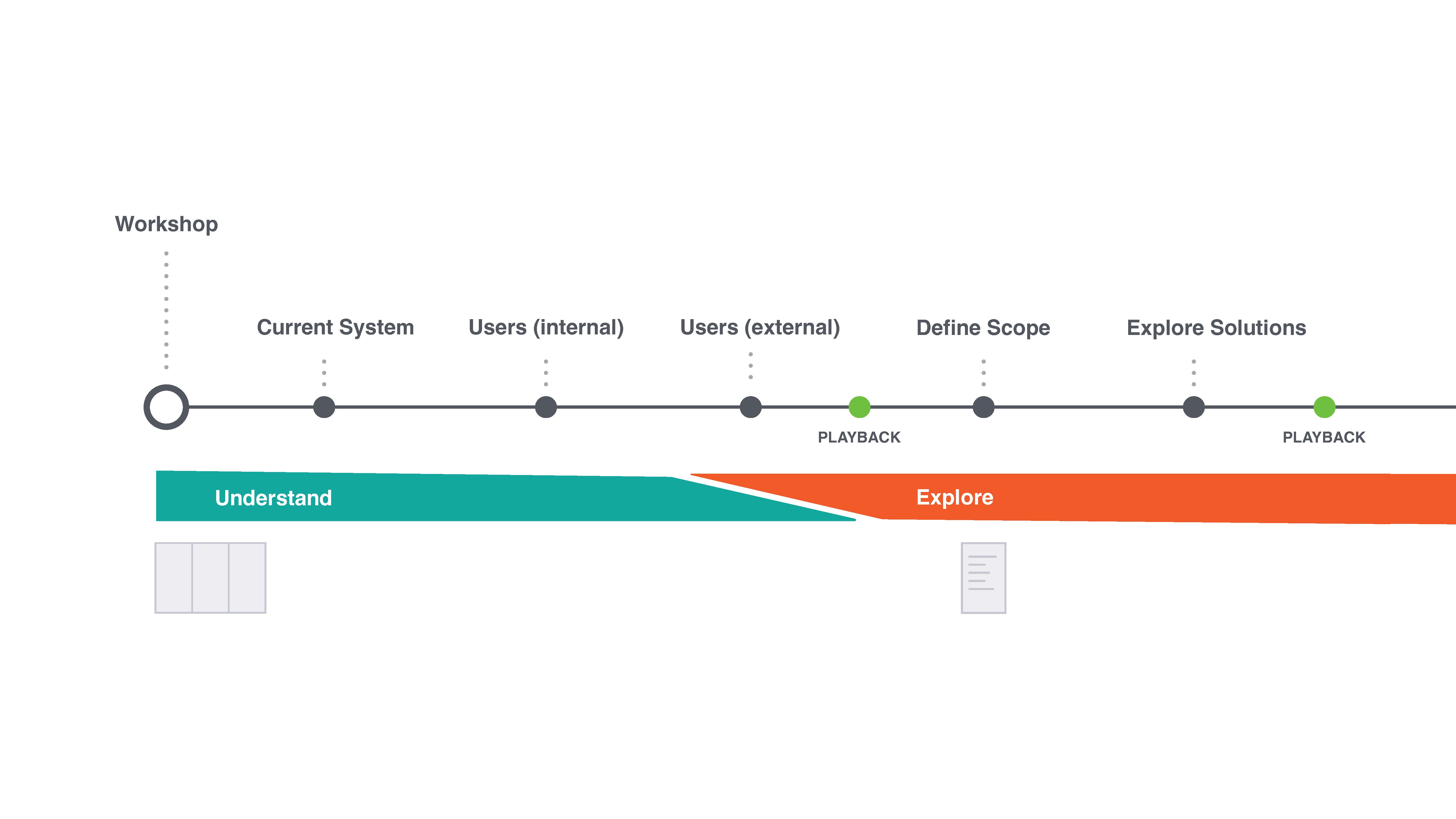
The first deck I put together wasn't about a feature. It was about us. I pulled the canonical design thinking frameworks together in one place (Stanford d.school, IDEO, IBM) and proposed a slimmed-down version for Image Relay: four phases, Understand, Explore, Make, Reflect.
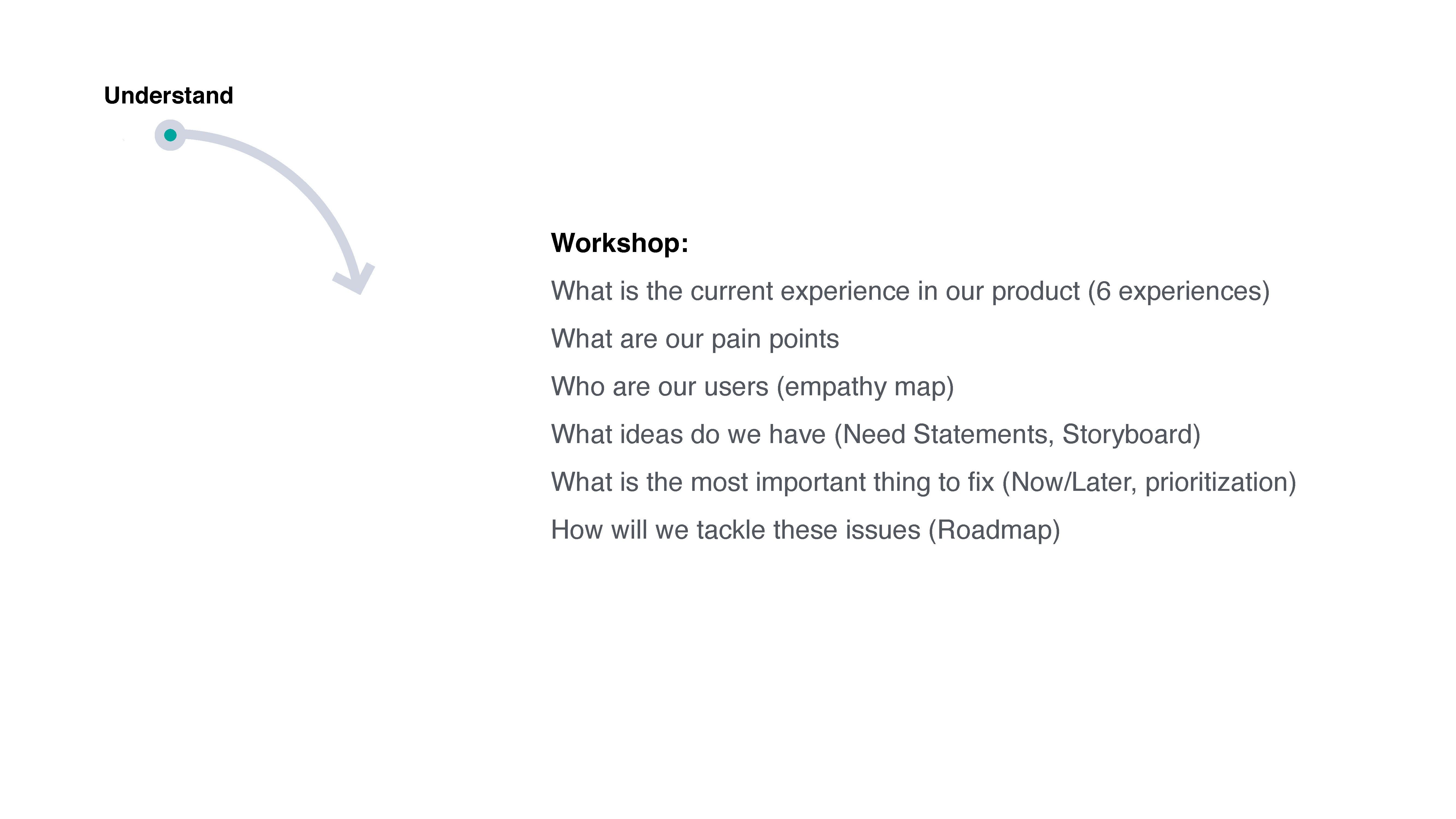
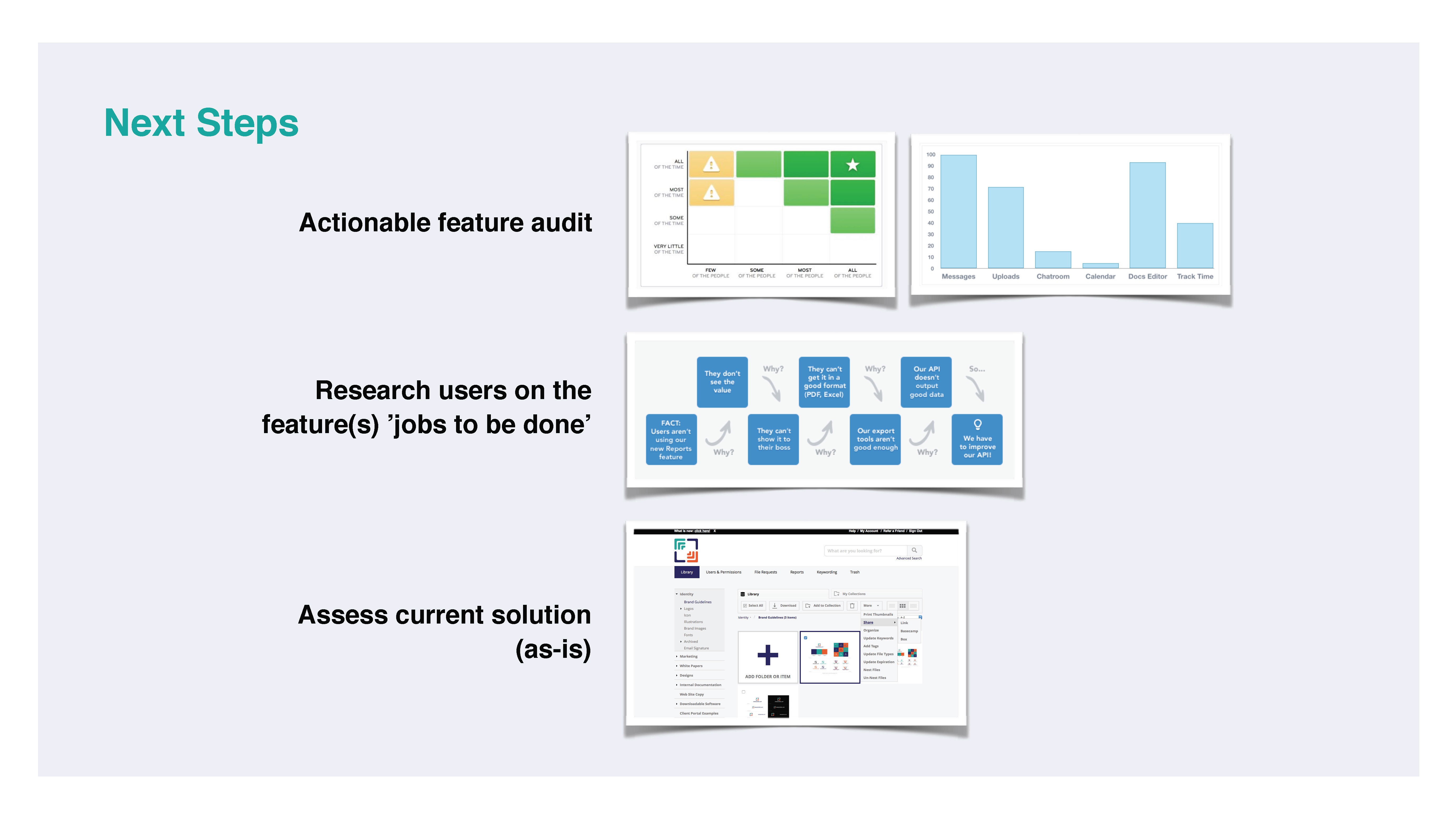
The point wasn't process for process's sake. It was to give a four-person product team a shared vocabulary for moving from "we think we should build X" to "we know why we're building X, what we're learning from it, and how we'll know if it worked." Each phase had a defined output. Understand produced a clear problem statement and user research. Explore produced multiple solution directions, sketched and pressure-tested. Make produced a scoped MVP. Reflect was where we measured against success metrics and decided what to do next.
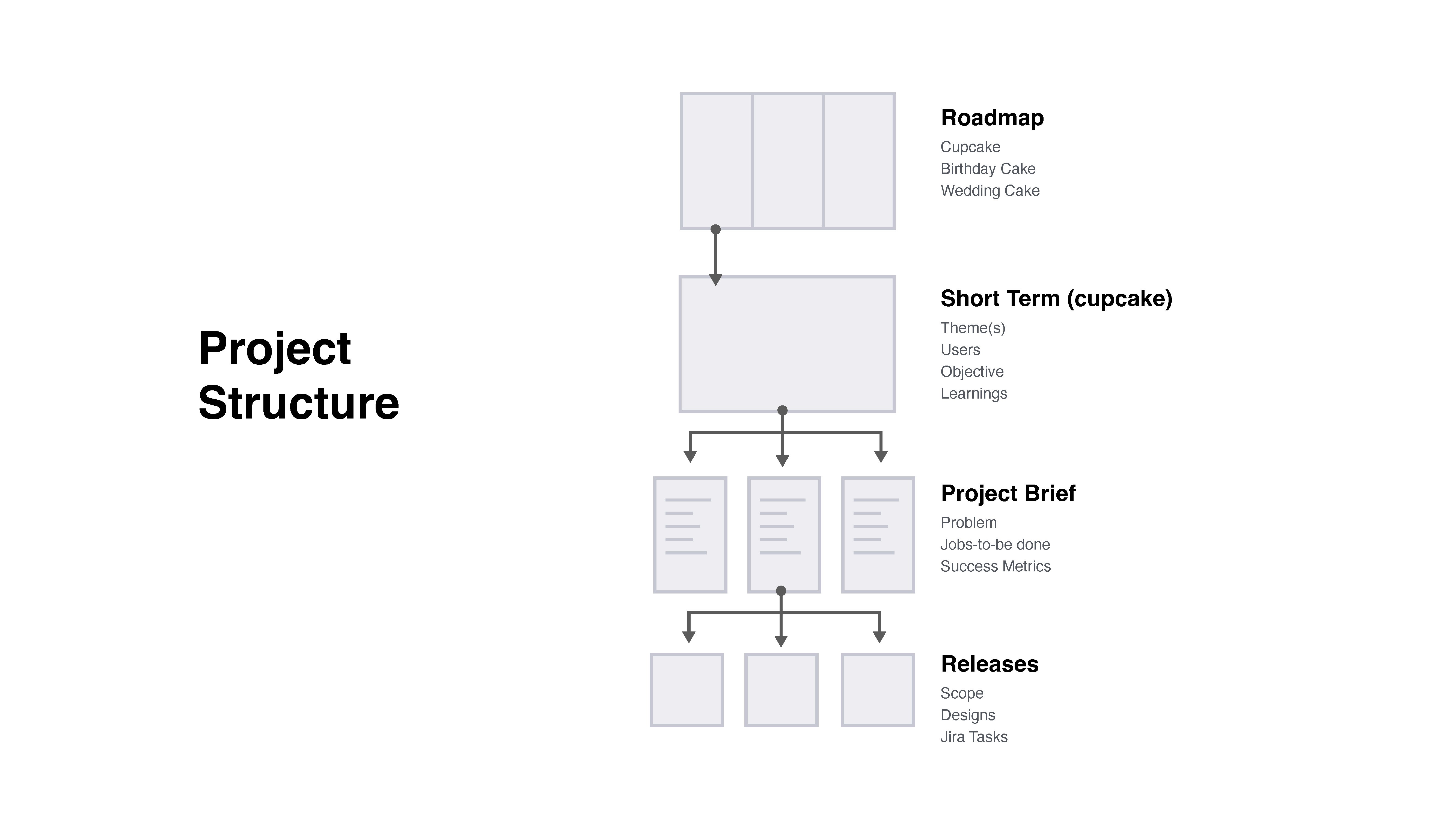
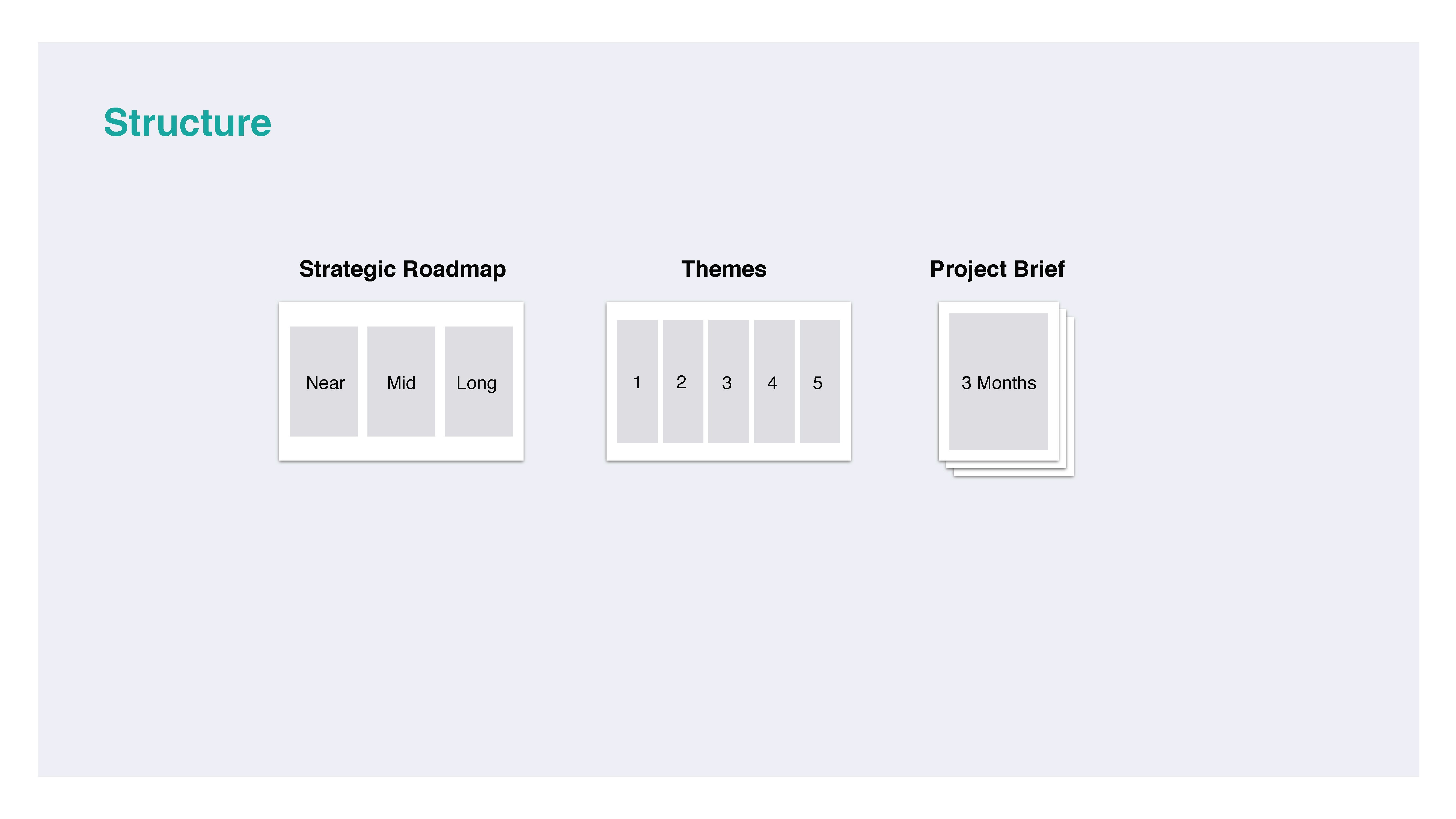
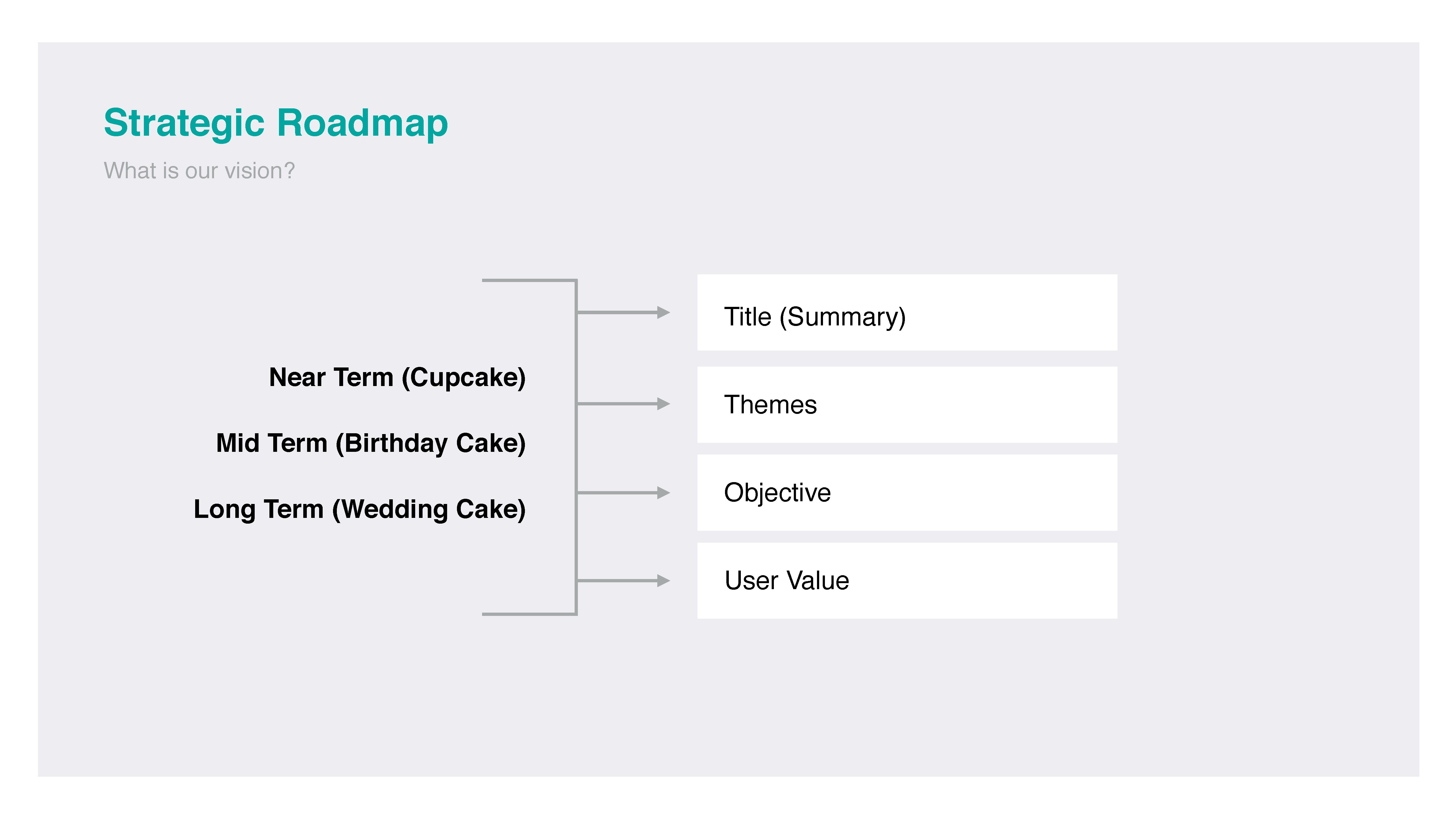
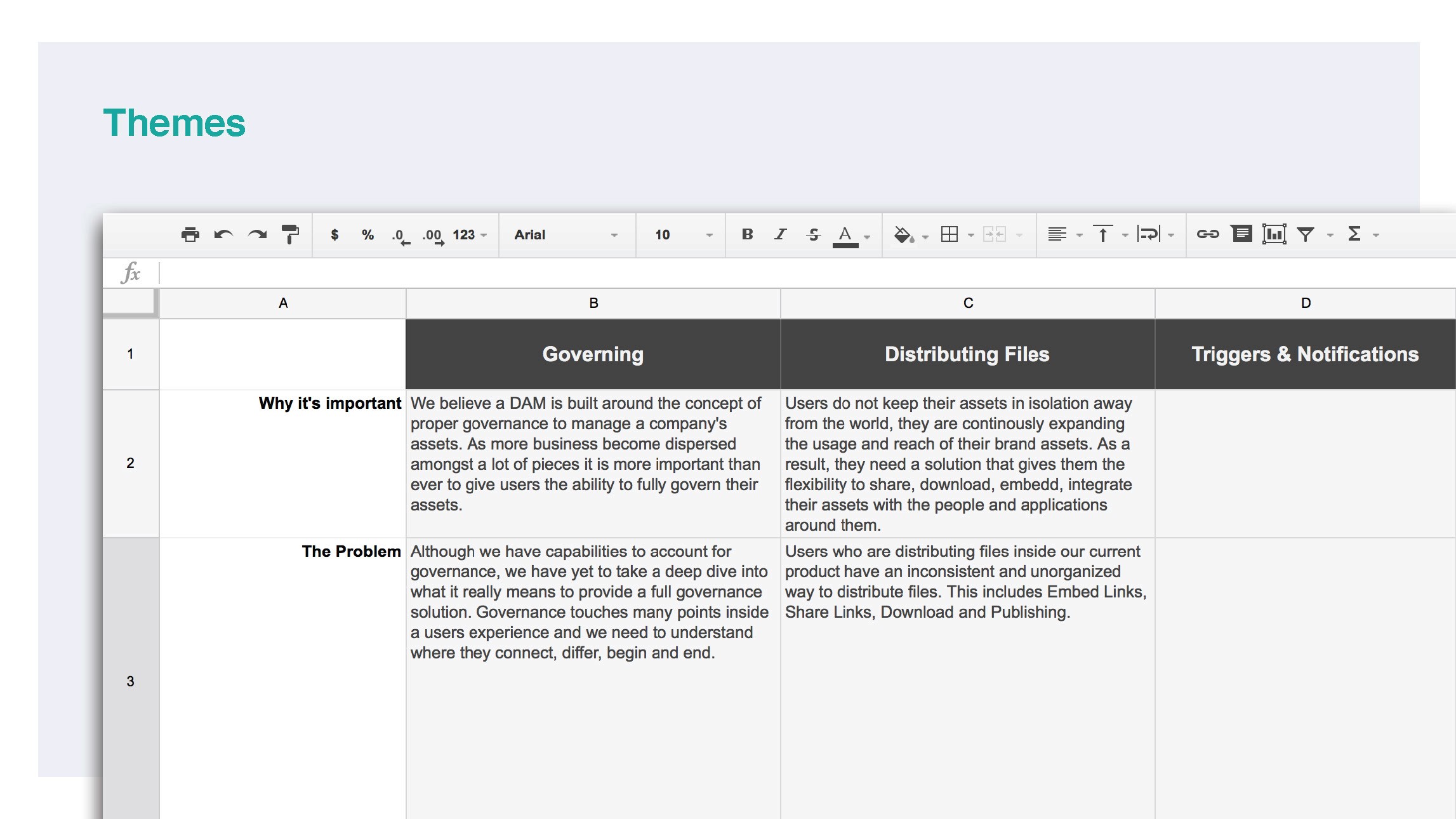
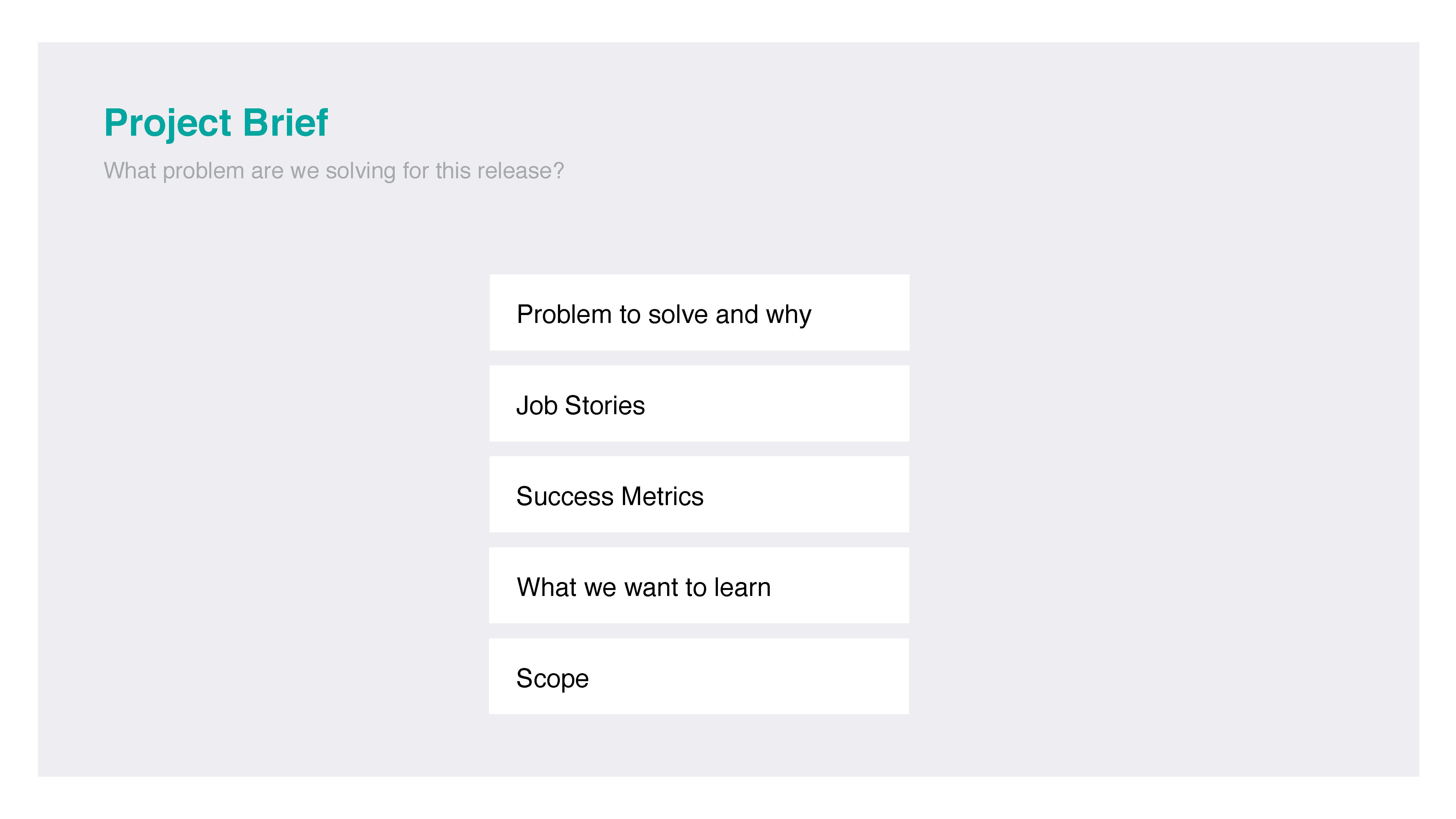
Alongside the framework I introduced a project structure: a strategic roadmap split into Near, Mid, and Long term (Cupcake, Birthday Cake, Wedding Cake), themes that grouped related problems together, and a project brief template that every three-month chunk of work had to fill out before it got built.