CATEGORY:
Enterprise Software
YEAR:
2015-2016
ROLE:
Product Lead, UX, Strategy, Management
IBM's Design Studio was built to reimagine enterprise software through design thinking. It became one of the largest design organizations in the world. I was one of the designers working towards this vision.
I was a design lead, part of a cross-functional team of designers, engineers, and product managers working to solve complex problems at scale. More specifically, a predictive analytics product built for the manufacturing industry, helping make smarter operational, maintenance, and repair decisions by turning complex data from multiple sources into something actually usable.
The work focused on running workshops, design sprints to align stakeholders, and validating concepts through real user testing.
Beyond the product itself, I got the opportunity to lead internal workshops, which allowed me to help educate designers, PMs, and engineers about design thinking methods.
Hills Workshop
Over several days I planned and facilitated a workshop with 18 colleagues across product, engineering, sales, and design. The agenda pulled from three places. IBM's Hills Workshop set direction, Google's Design Sprint pushed the group toward fast convergence, and general design thinking activities kept us grounded in real user needs.
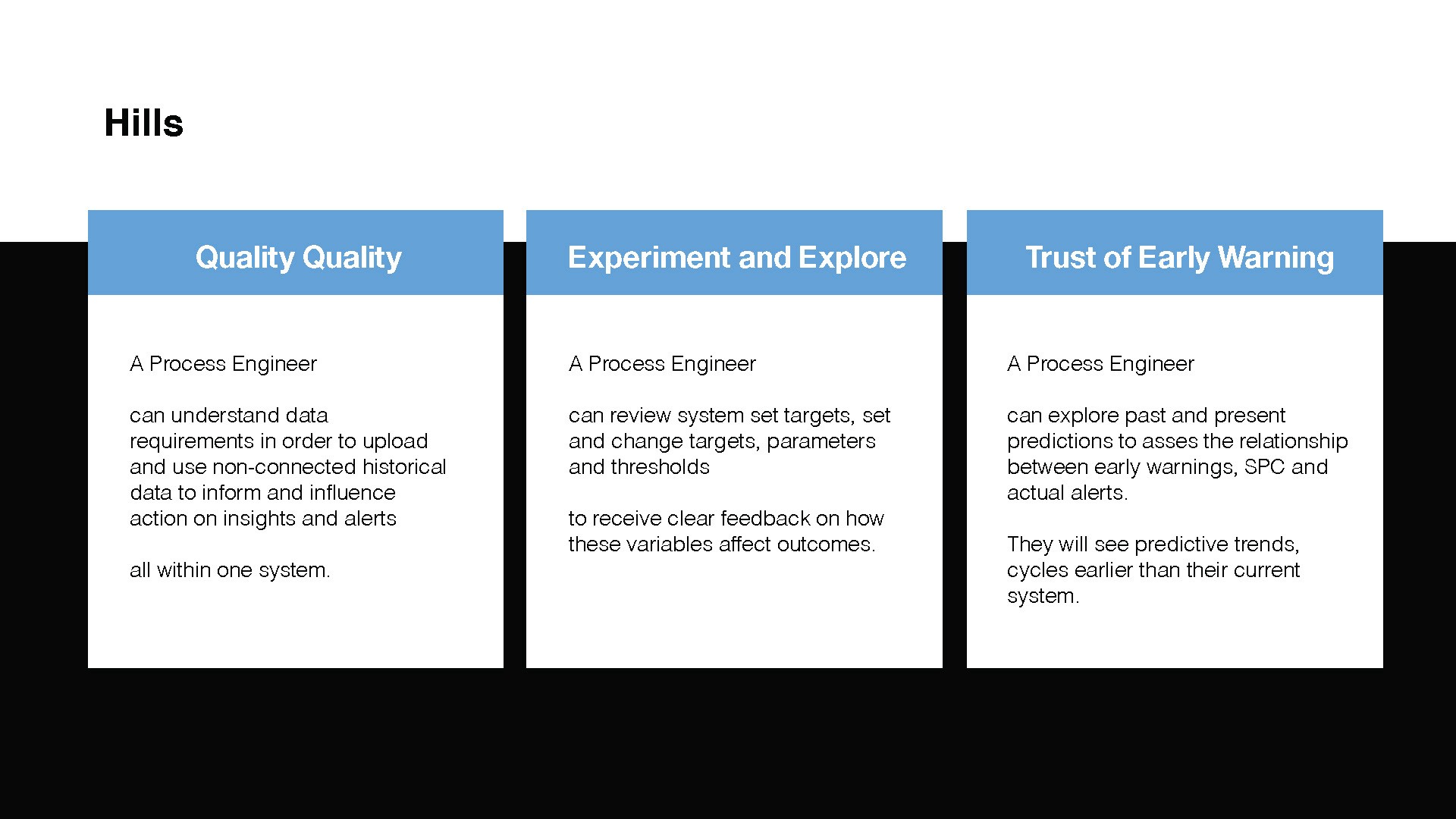
A Hill is a statement of user outcome. It names who you are serving, what you want them to be able to do, and what makes your solution distinctive. IBM calls these the Who, the What, and the Wow. The point of a Hill is to commit to a destination without locking in the route, so the team stays aligned without prematurely closing off ideas.
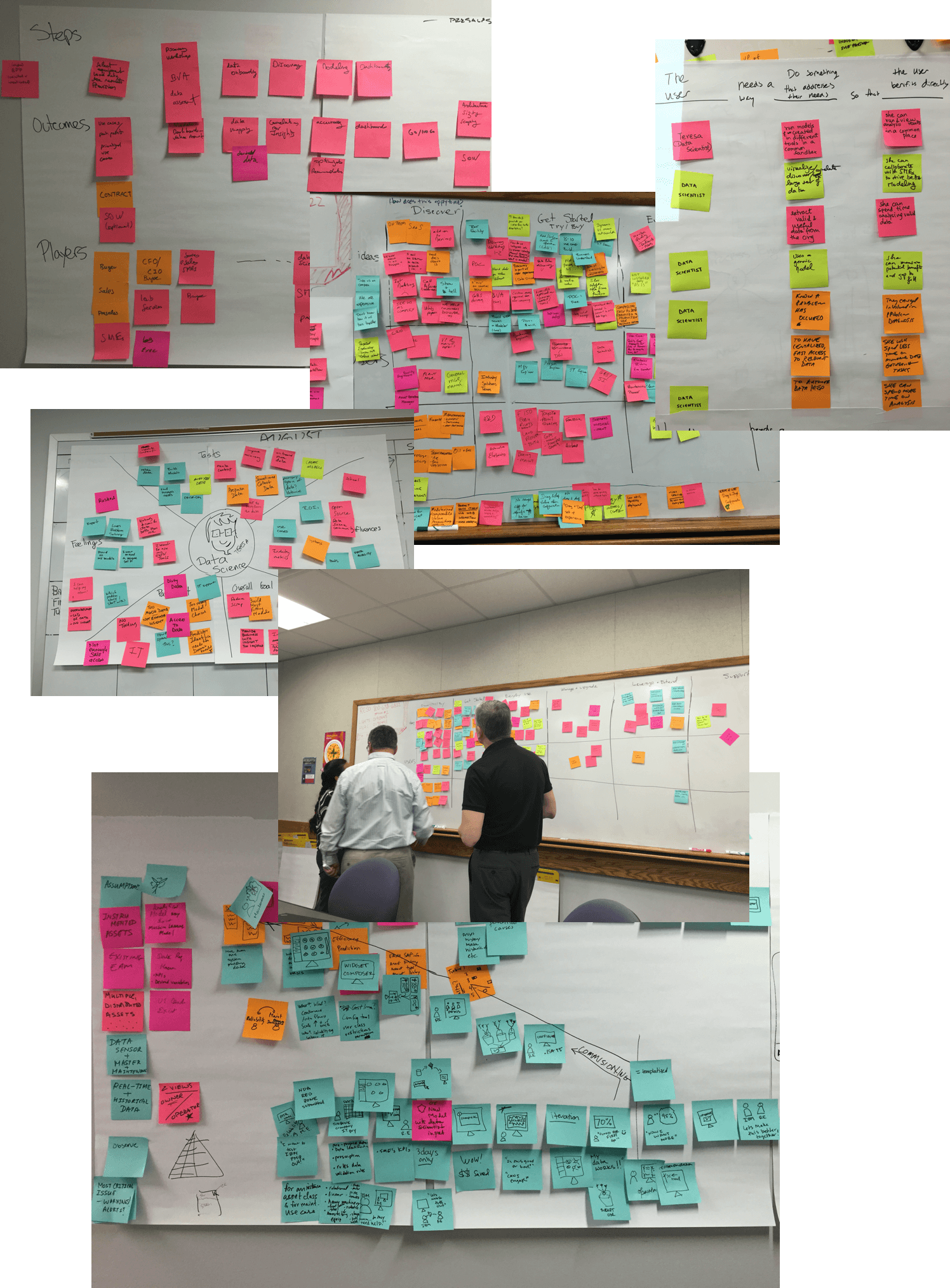
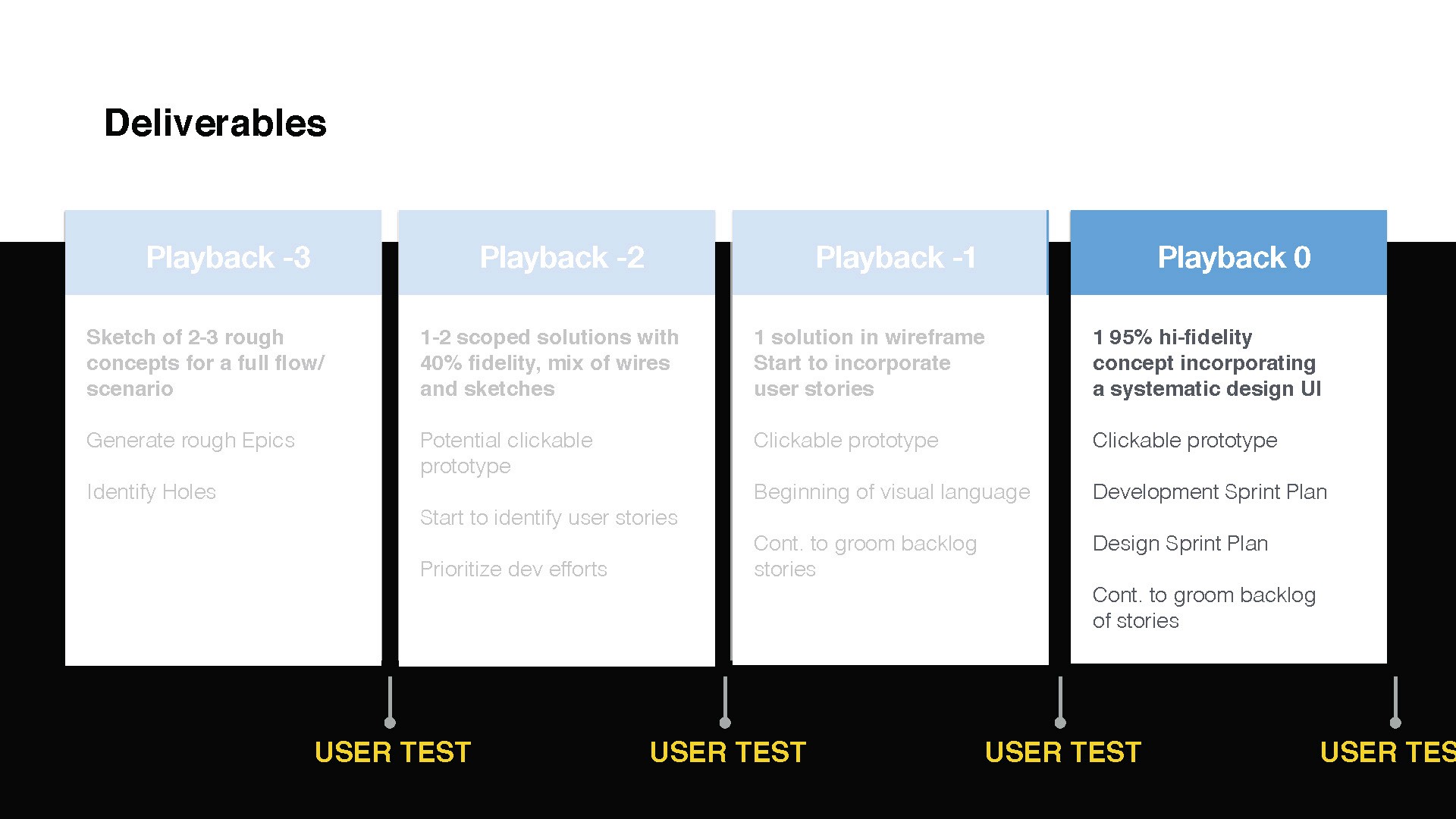
The workshop set the structure for everything that followed. It produced a Hills playback that became the team's shared reference point, and from there the project moved into a series of 3-0 playbacks that kept the work tracking against those original outcomes.
Playback -3
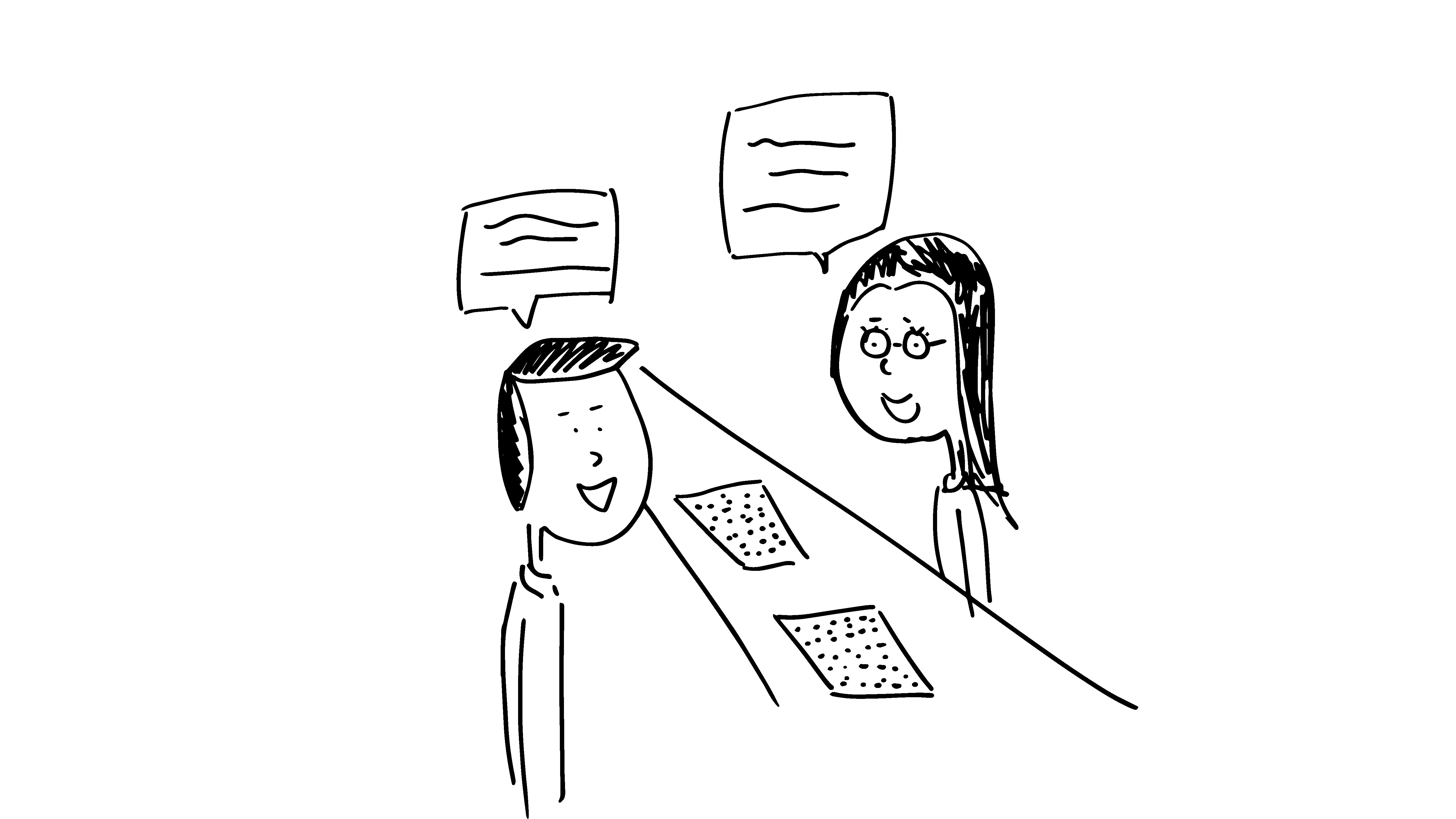
This was the kickoff playback for A&O, a predictive analytics layer built into IBM's Predictive Maintenance & Quality product. At this stage we were intentionally rough, sharing two to three concept directions in sketch form alongside the scenario and hills we'd been building toward. The point wasn't to land on a solution. It was to align the team on who we were designing for, surface the assumptions we were making, and pull engineering into early conversations about epics and effort before any of us got attached to a direction.
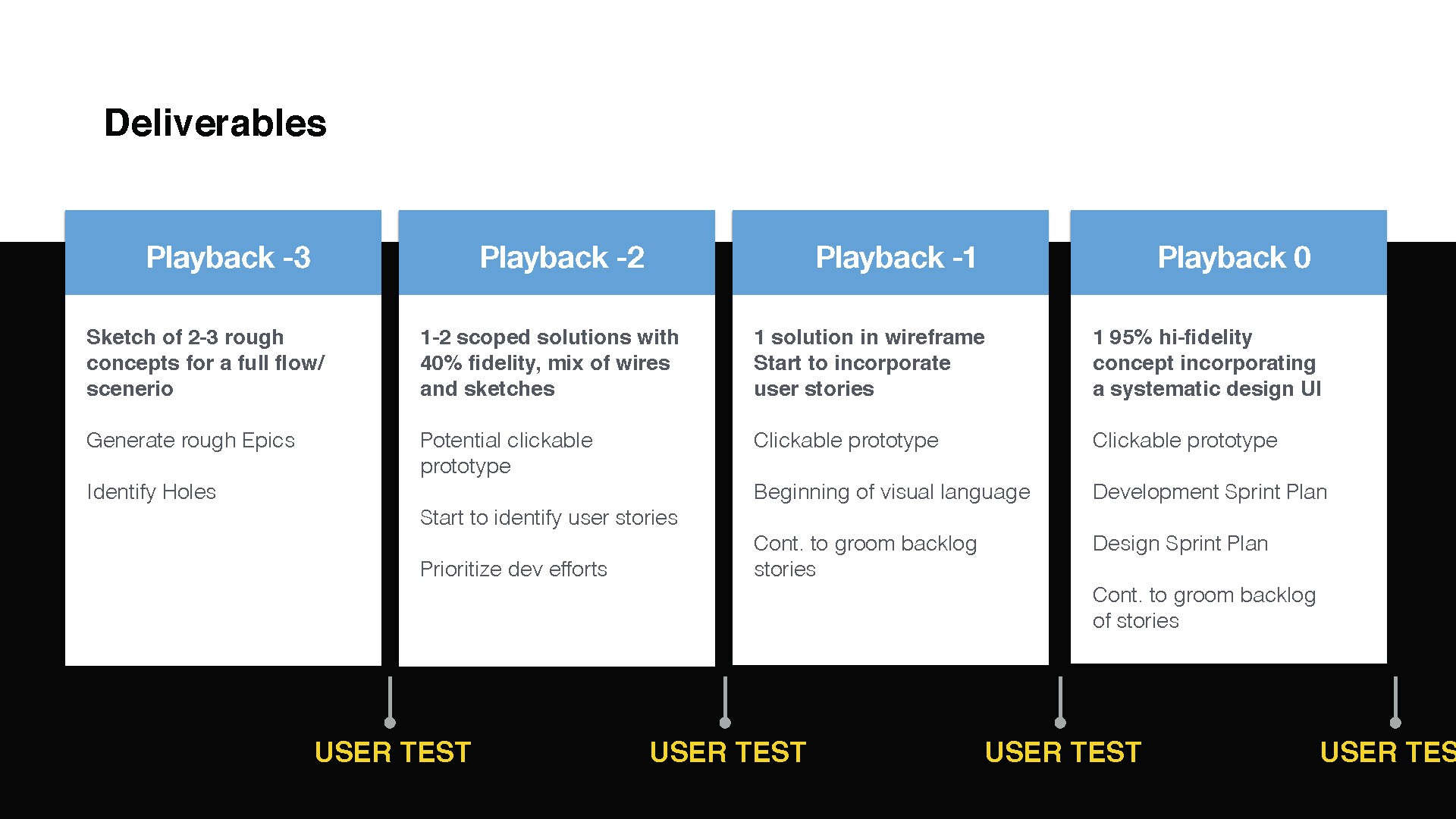
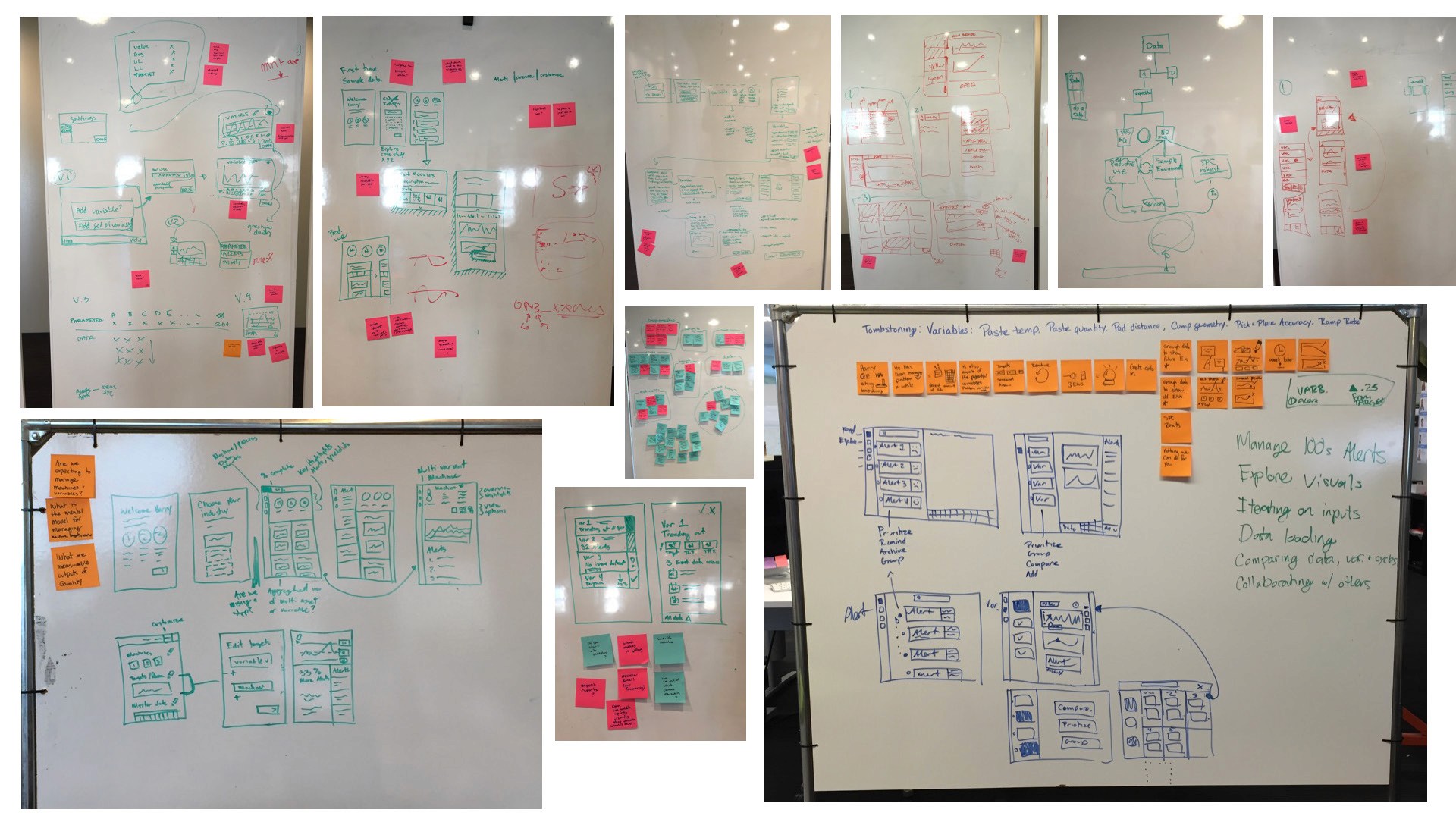
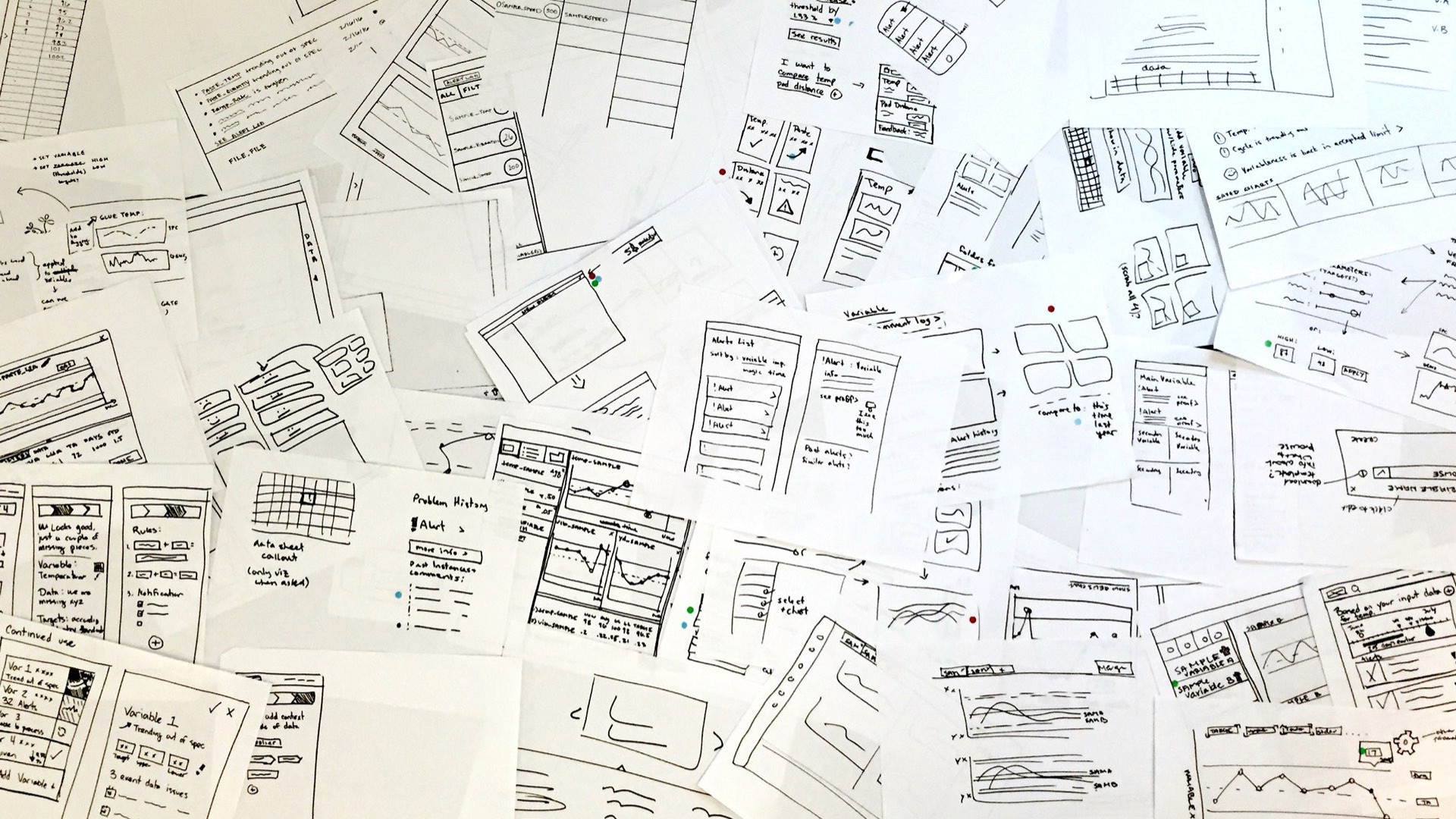
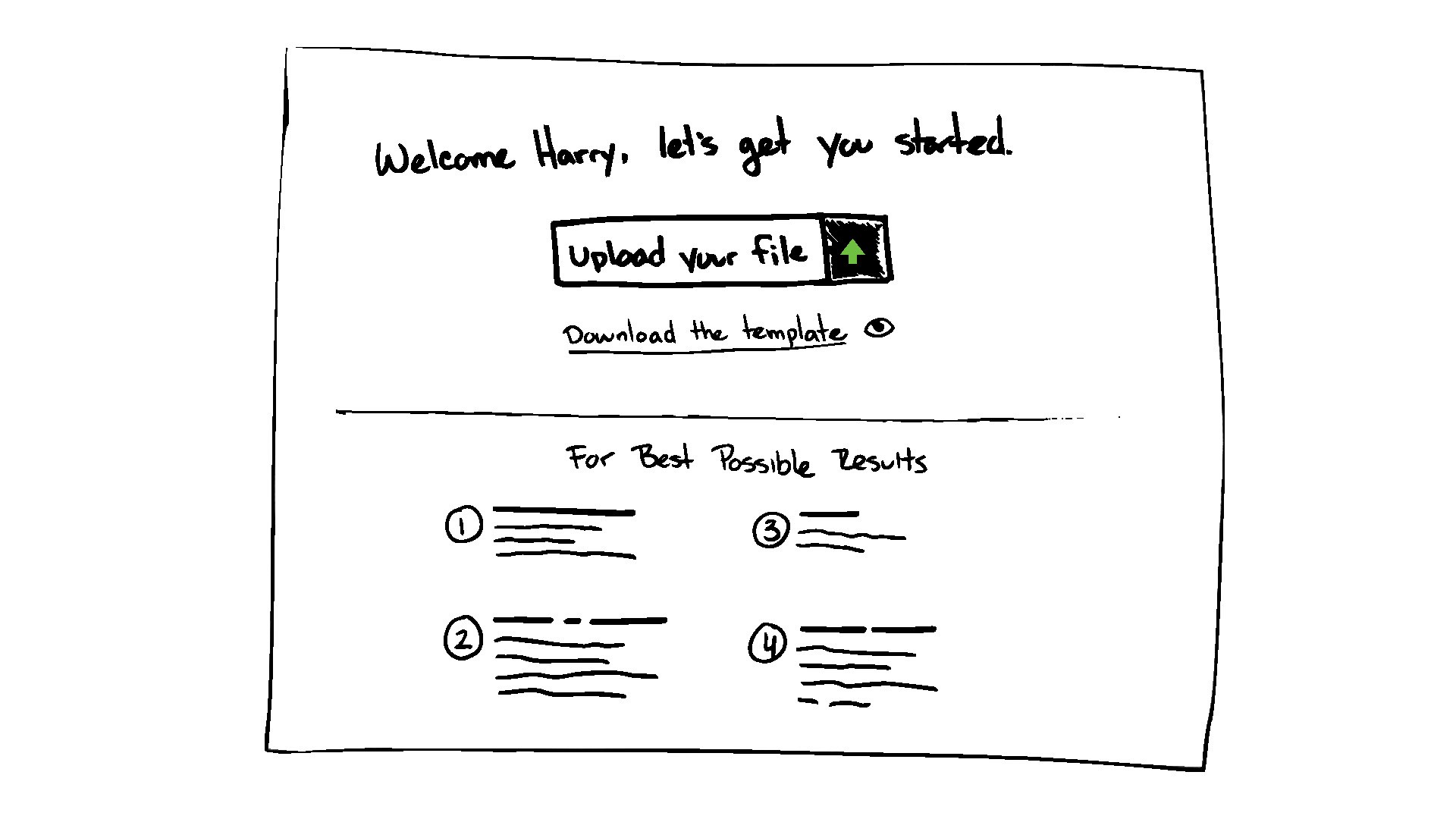
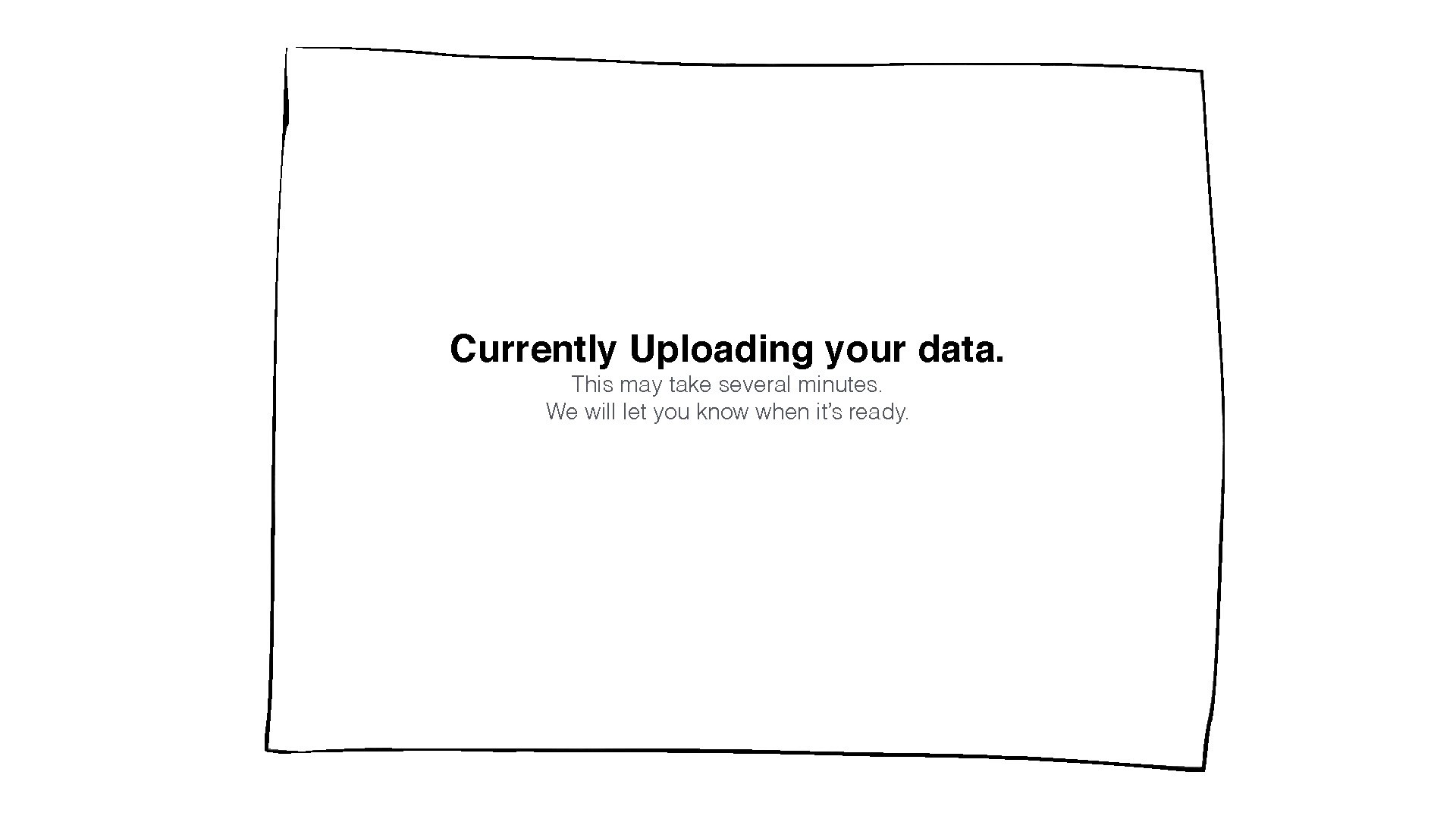
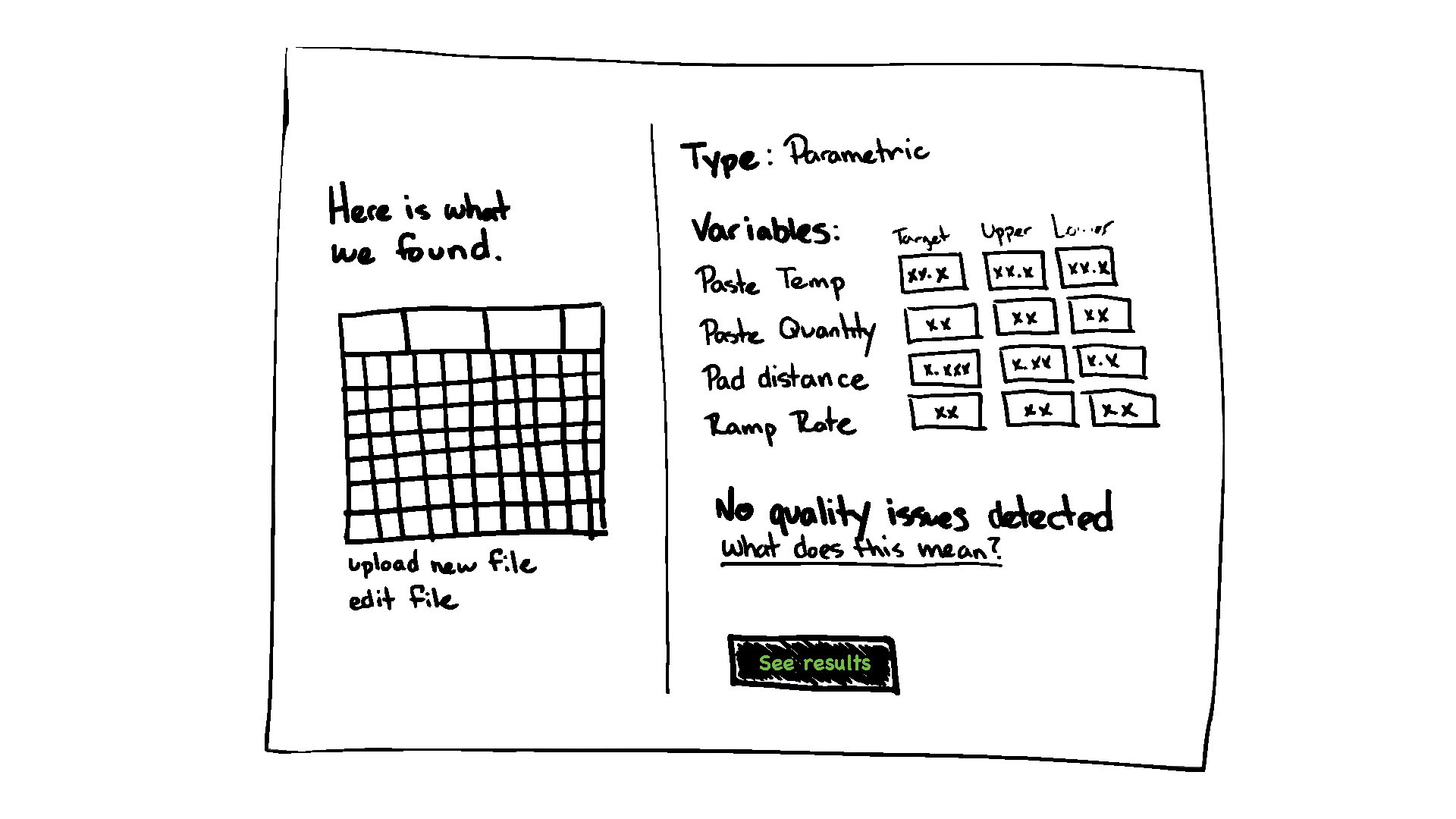
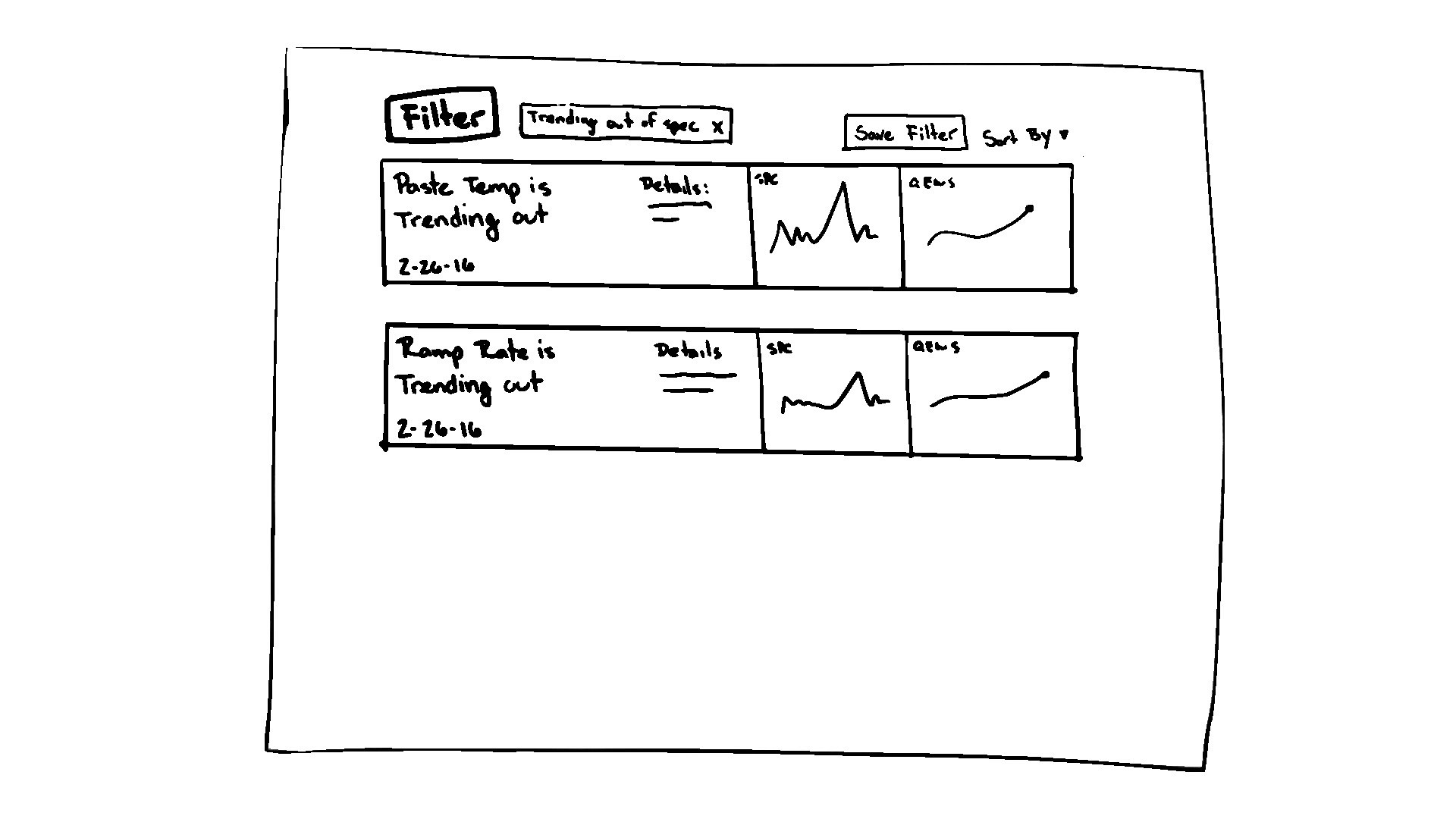
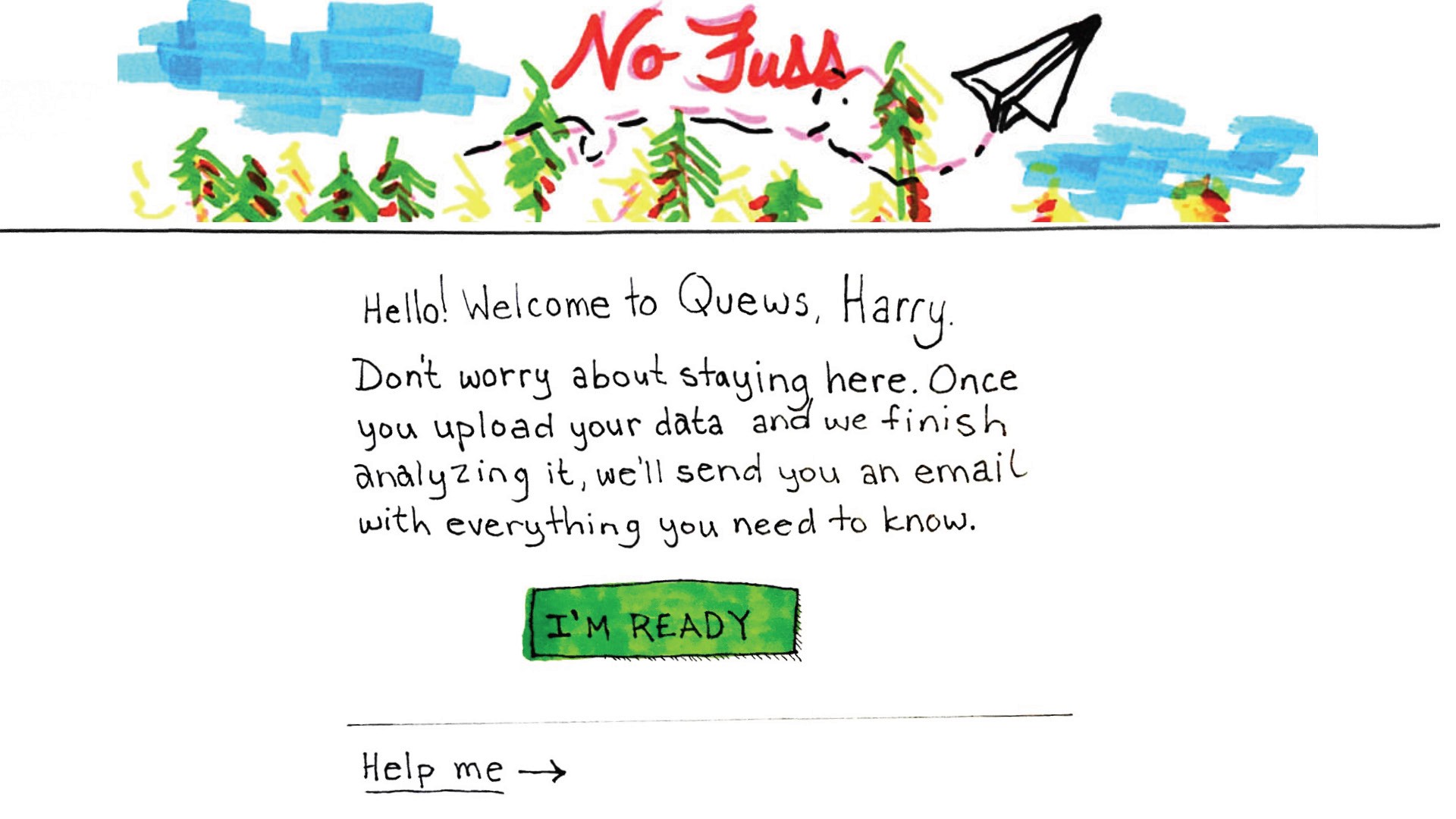
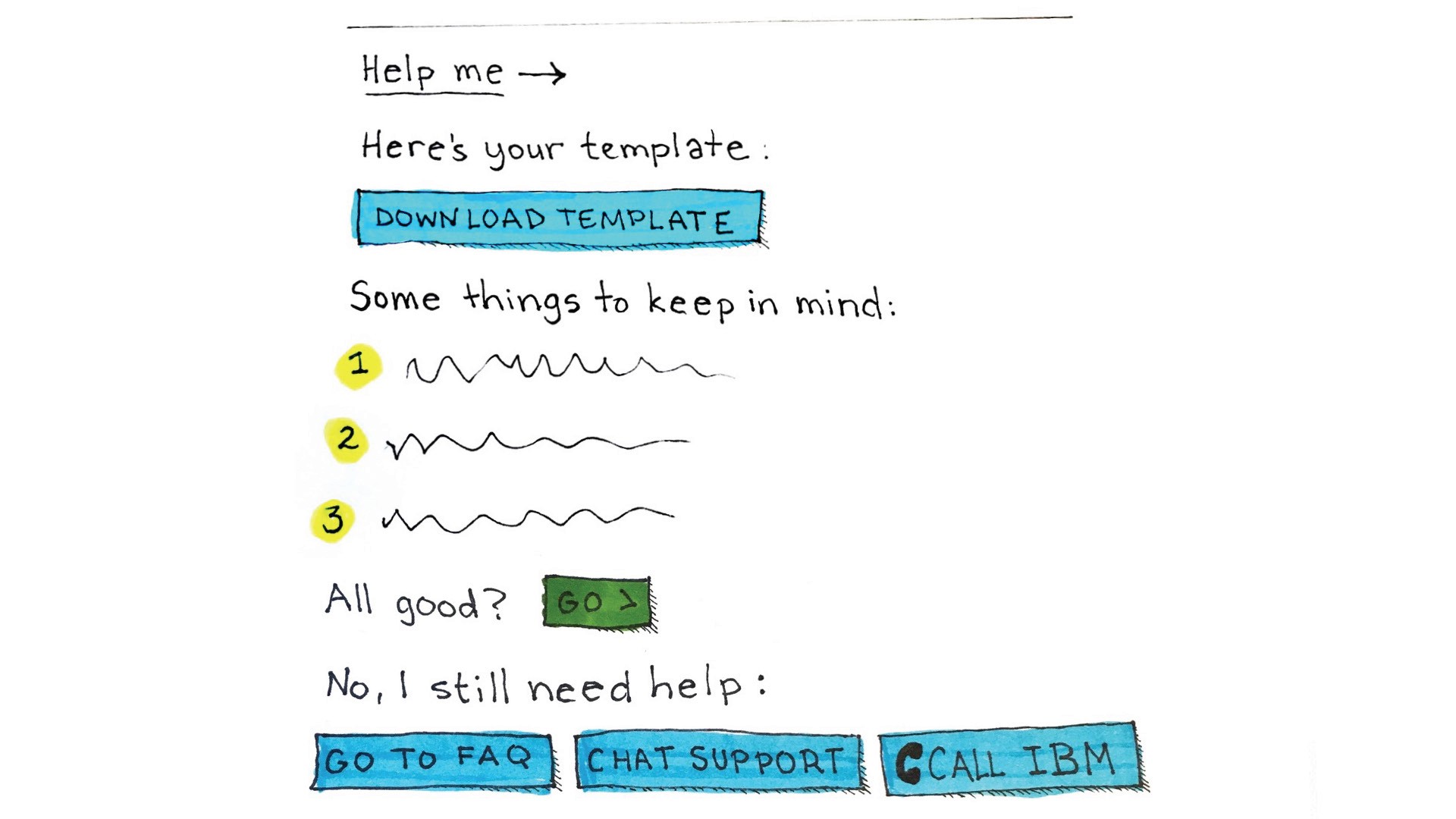
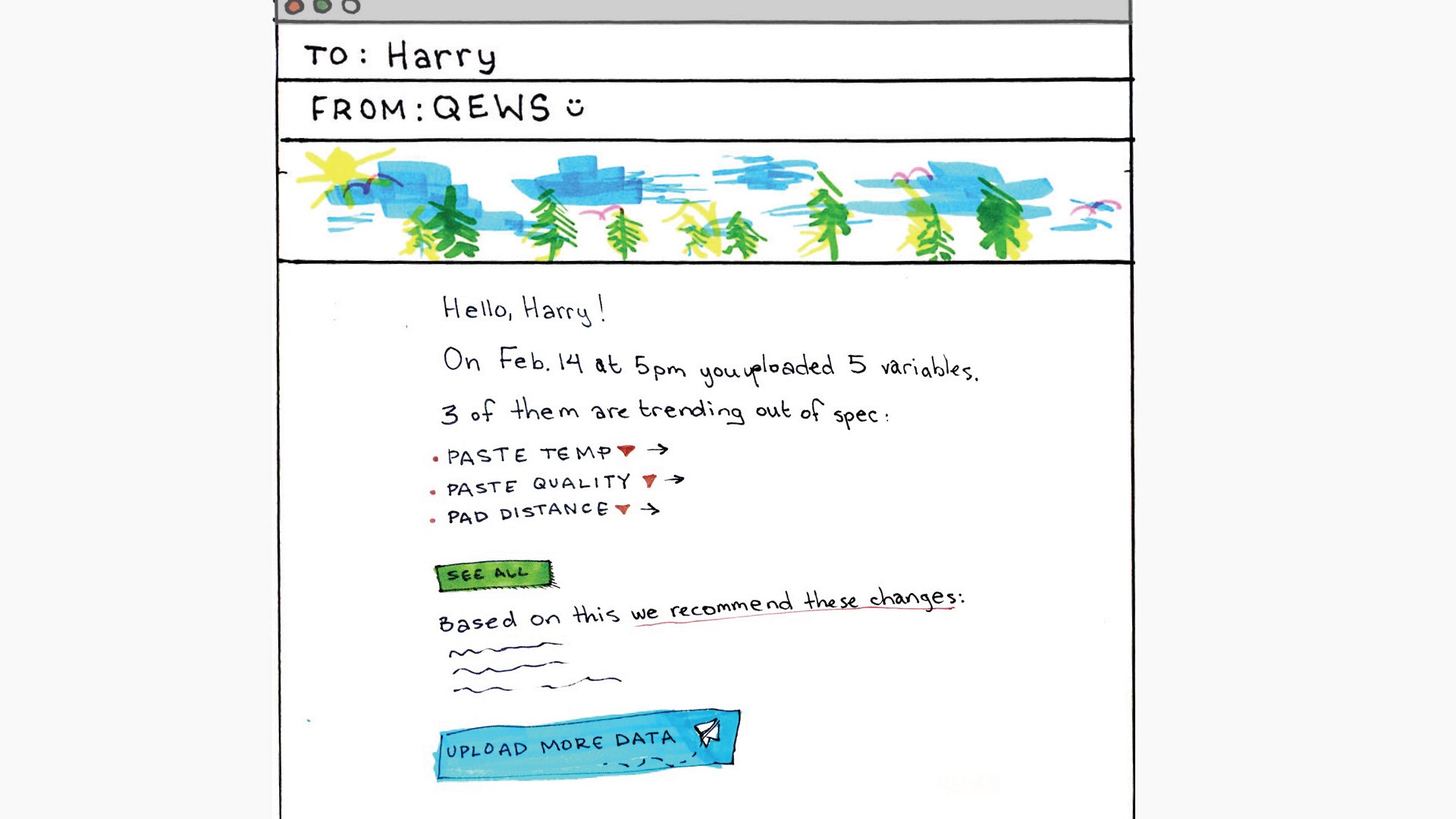
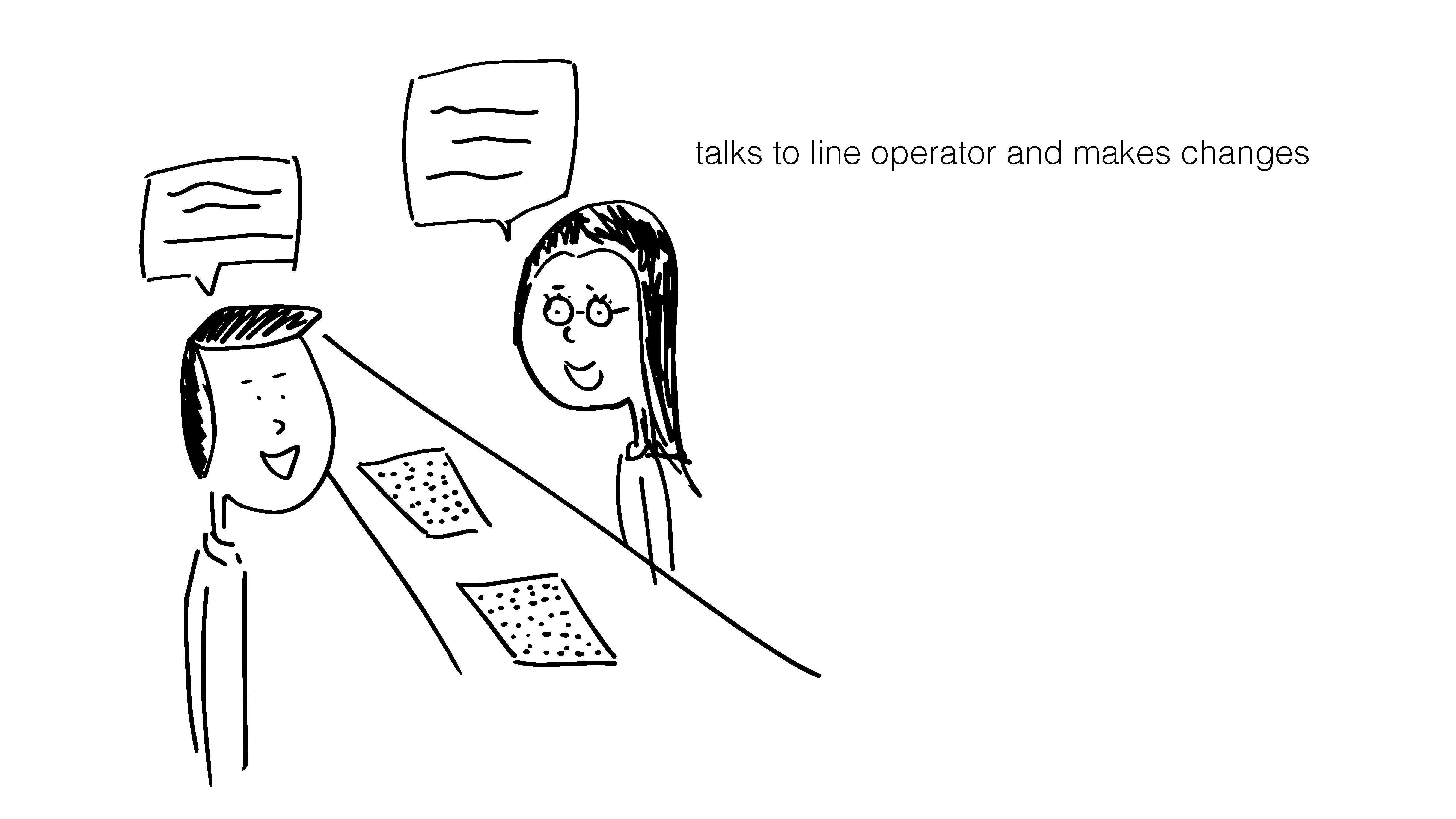
Two more playbacks sat between these, each with a round of user testing. Over those rounds the concept set narrowed to a single direction, the scope tightened from two personas to one, and the fidelity climbed as decisions firmed up. By PB-0 we weren't asking what this could be. We were asking whether this was the thing we wanted engineering to build.
Playback 0
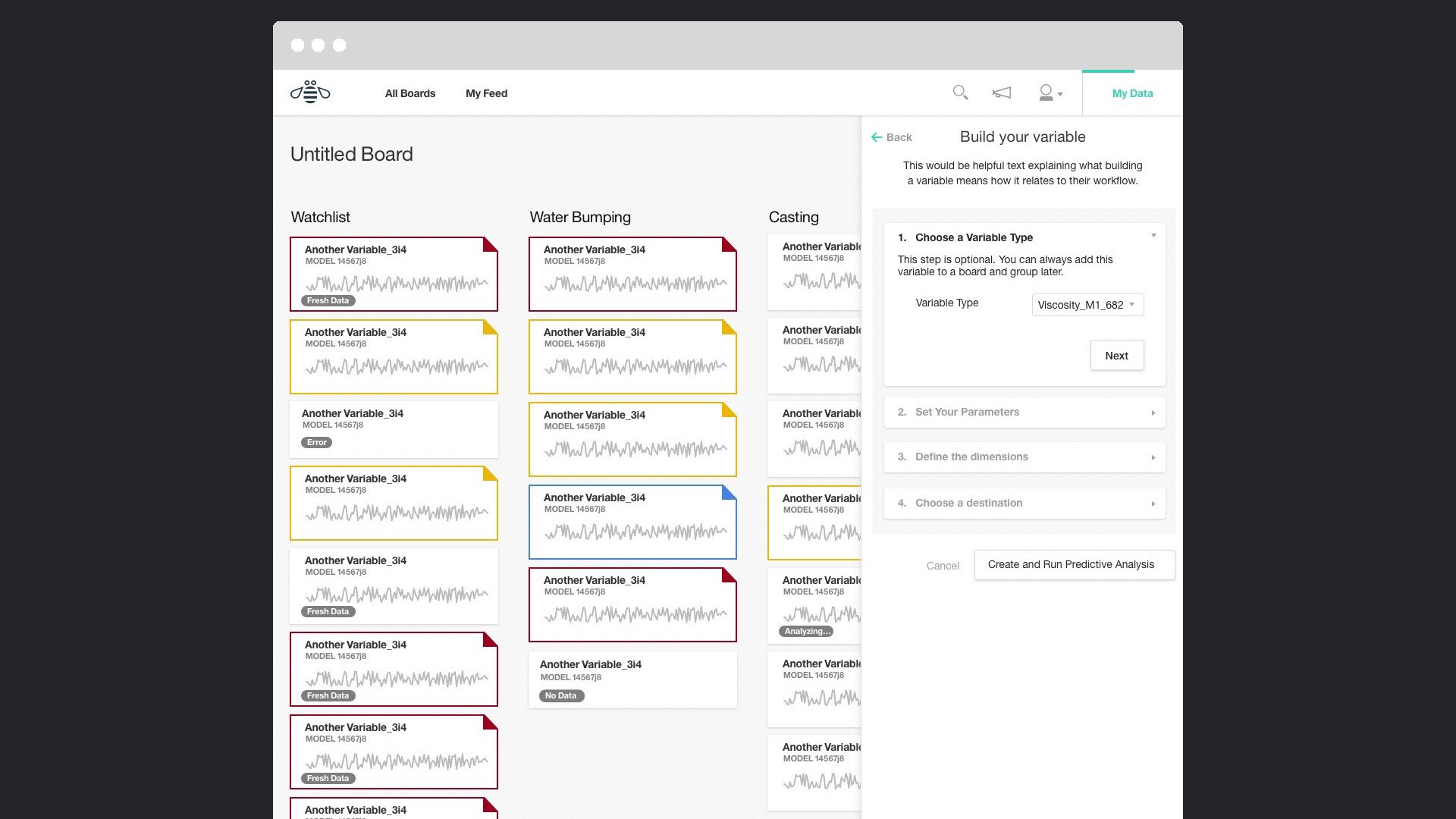
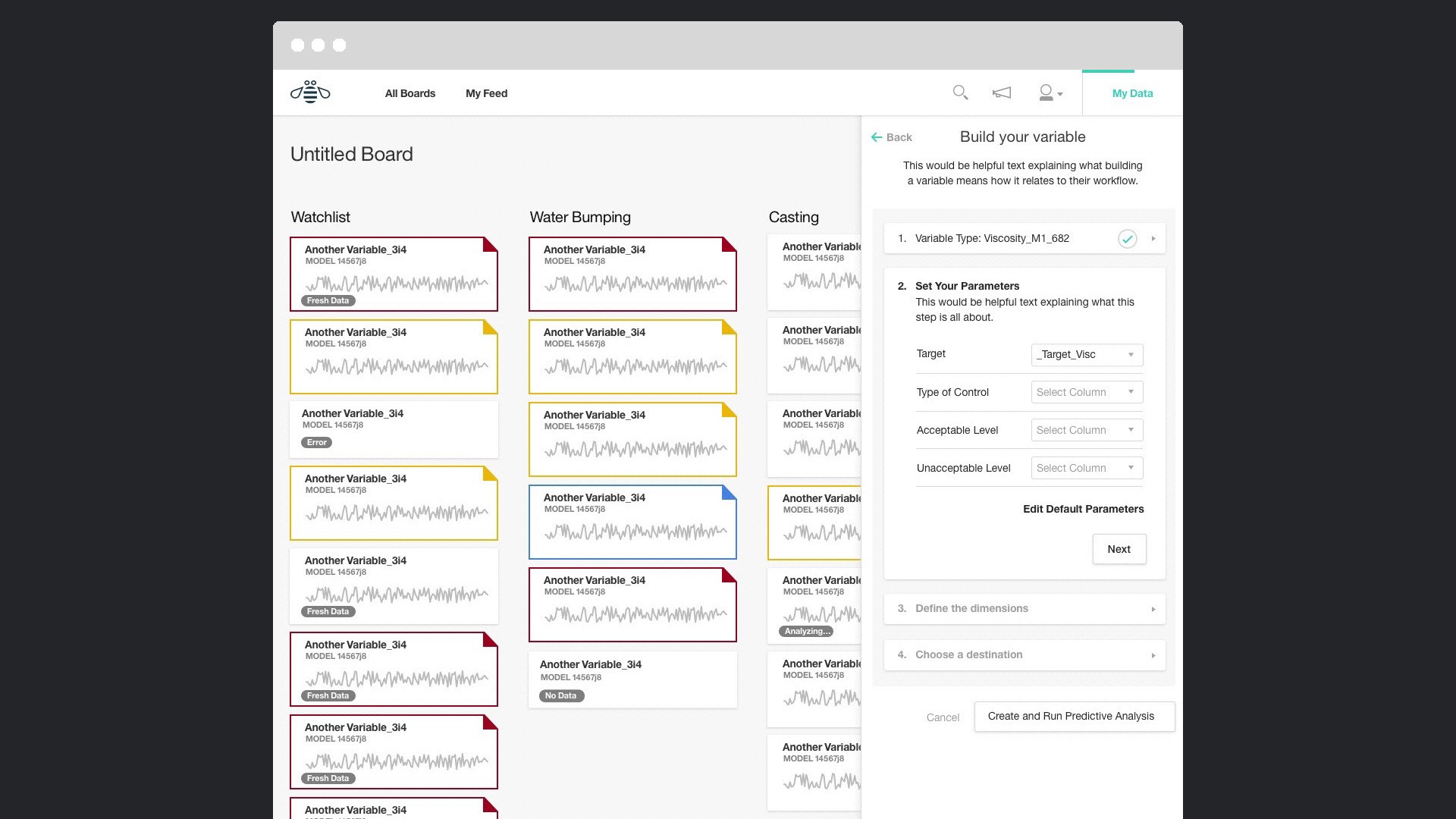
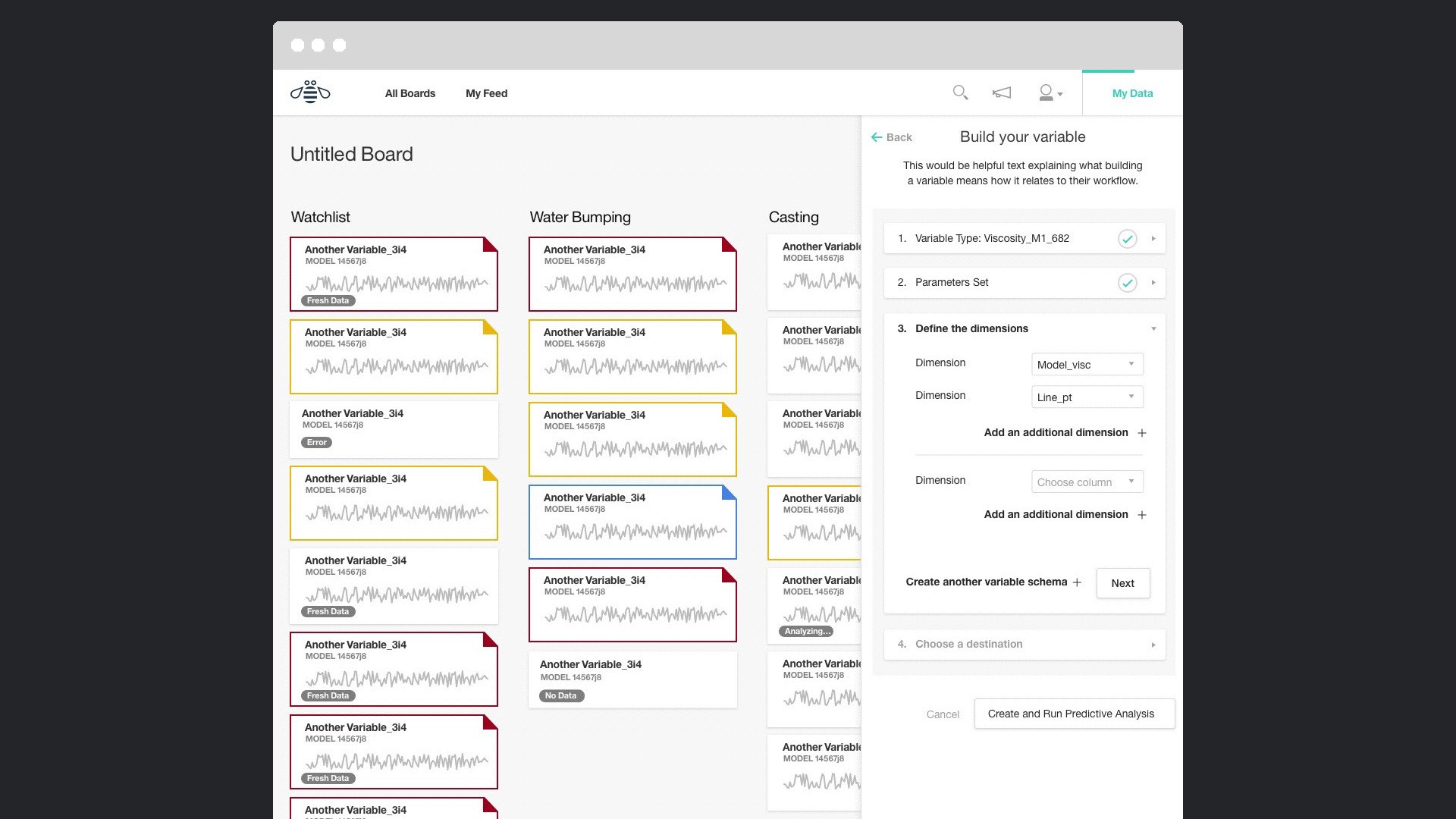
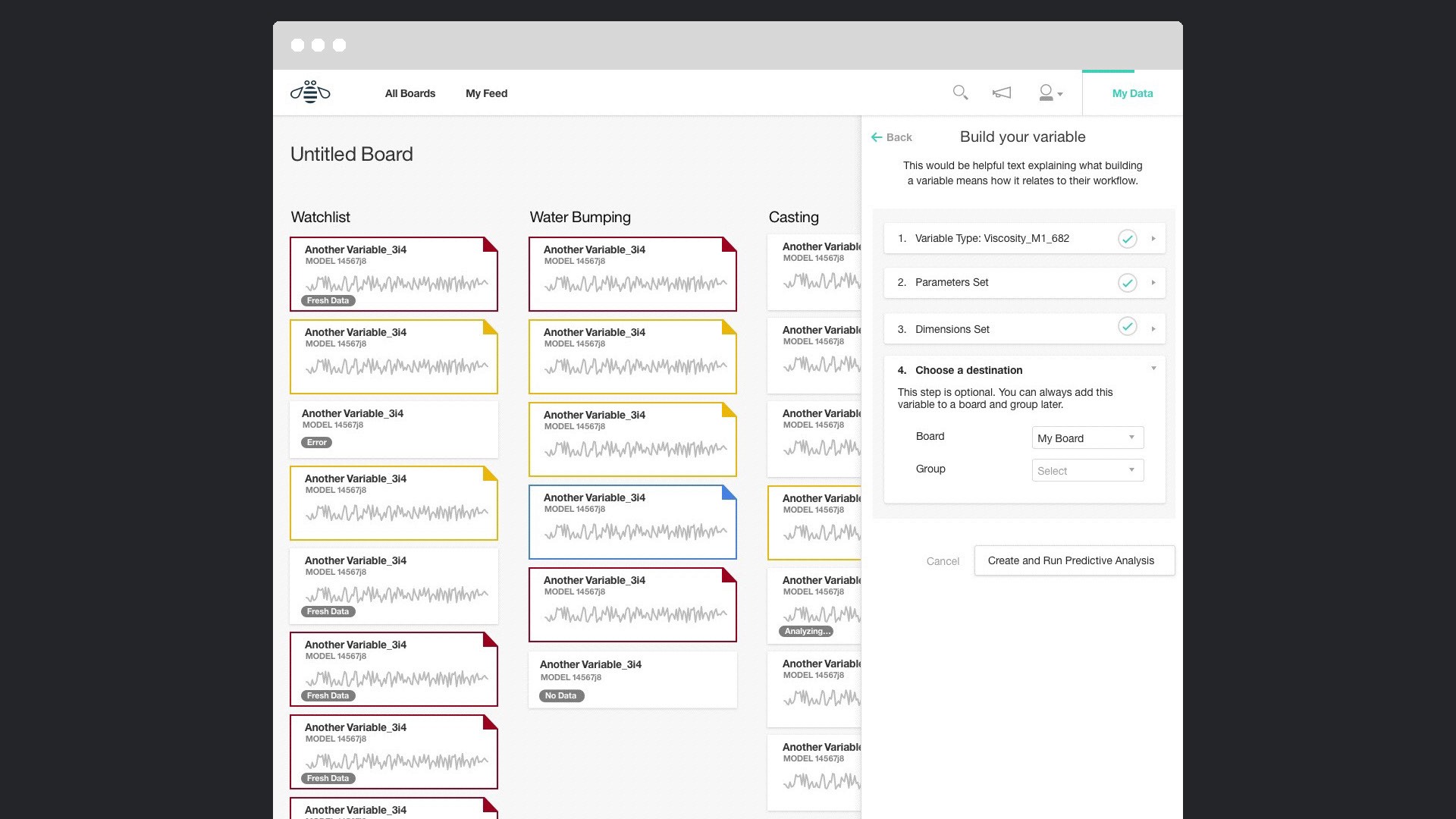
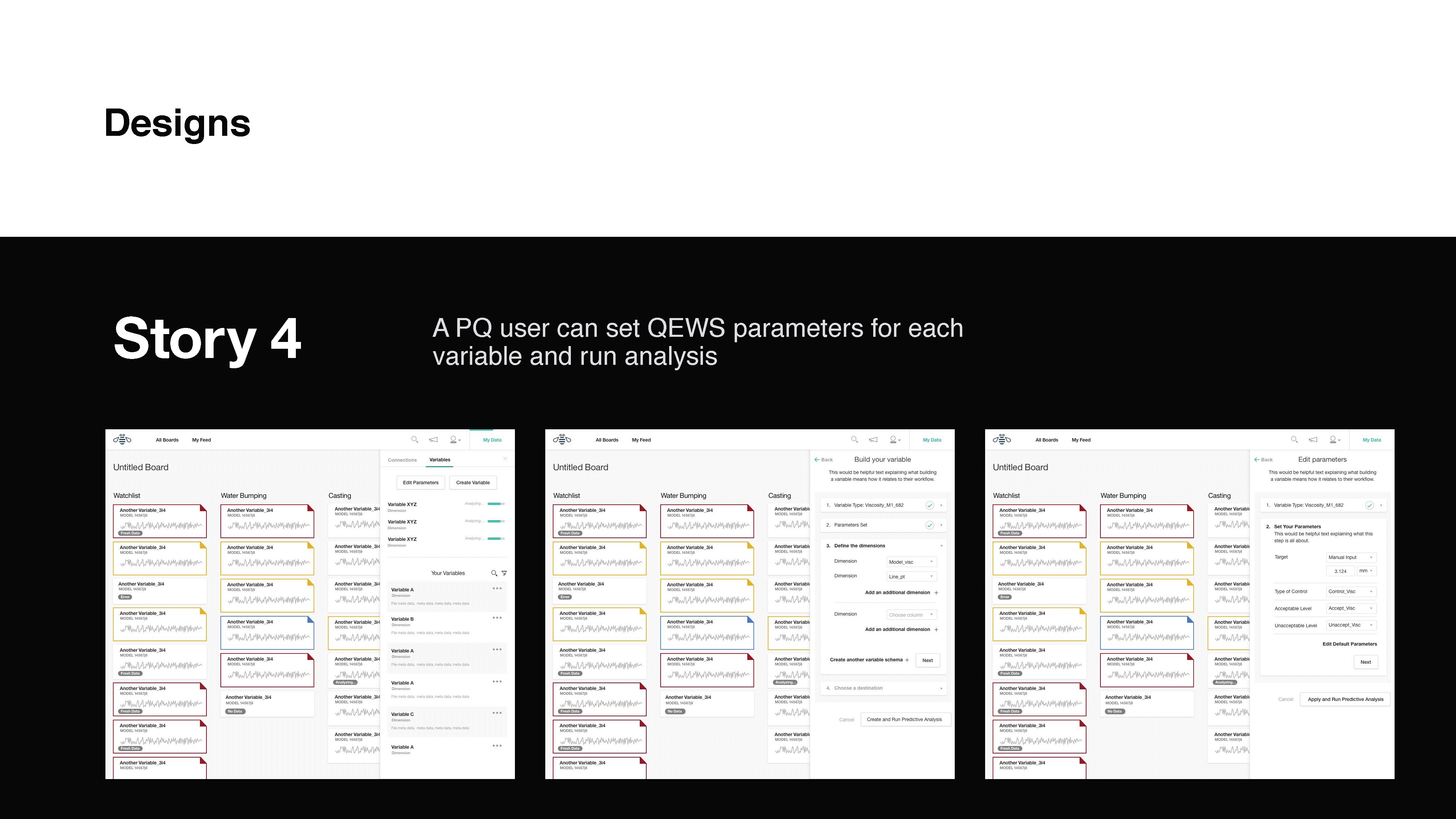
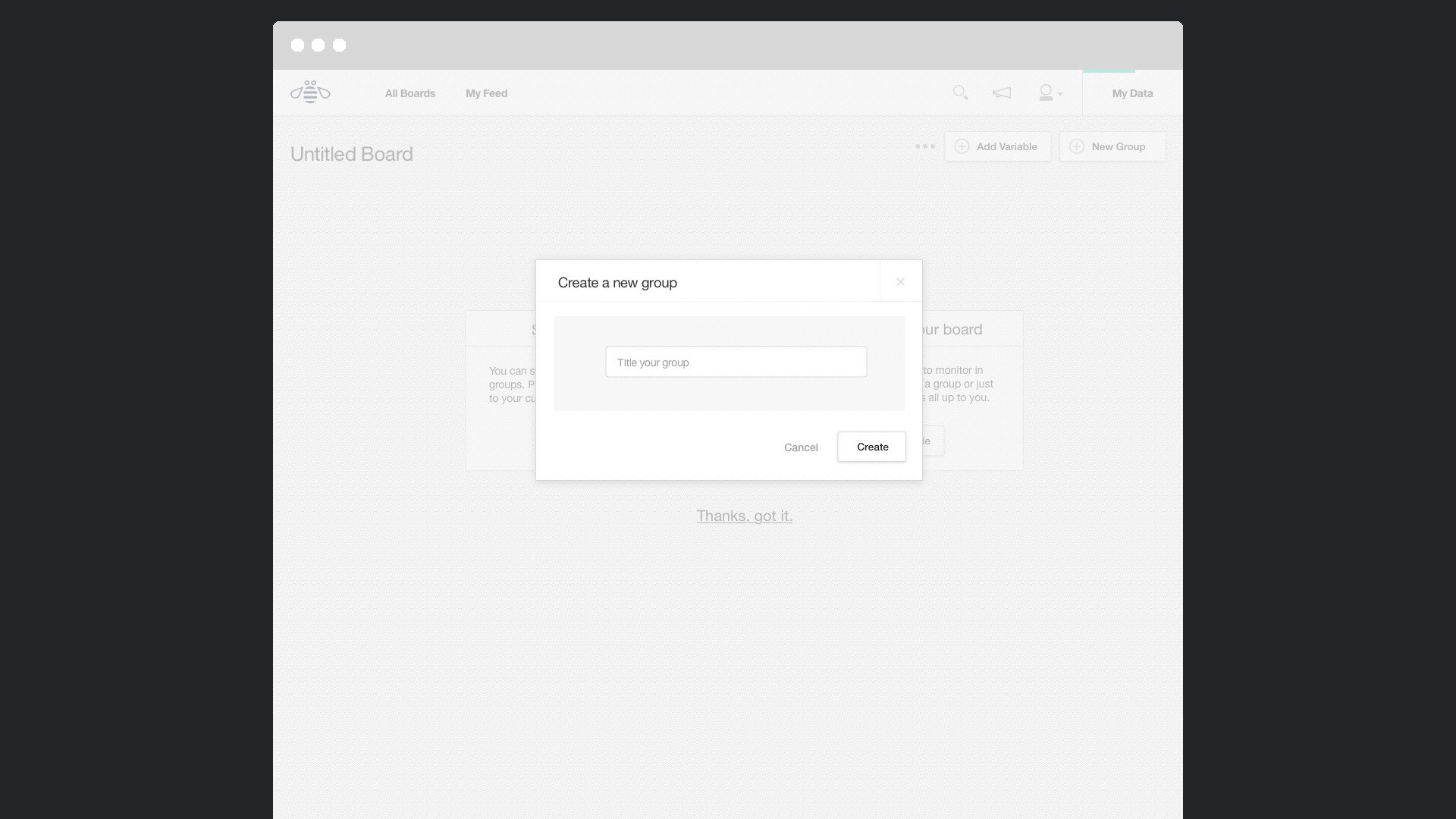
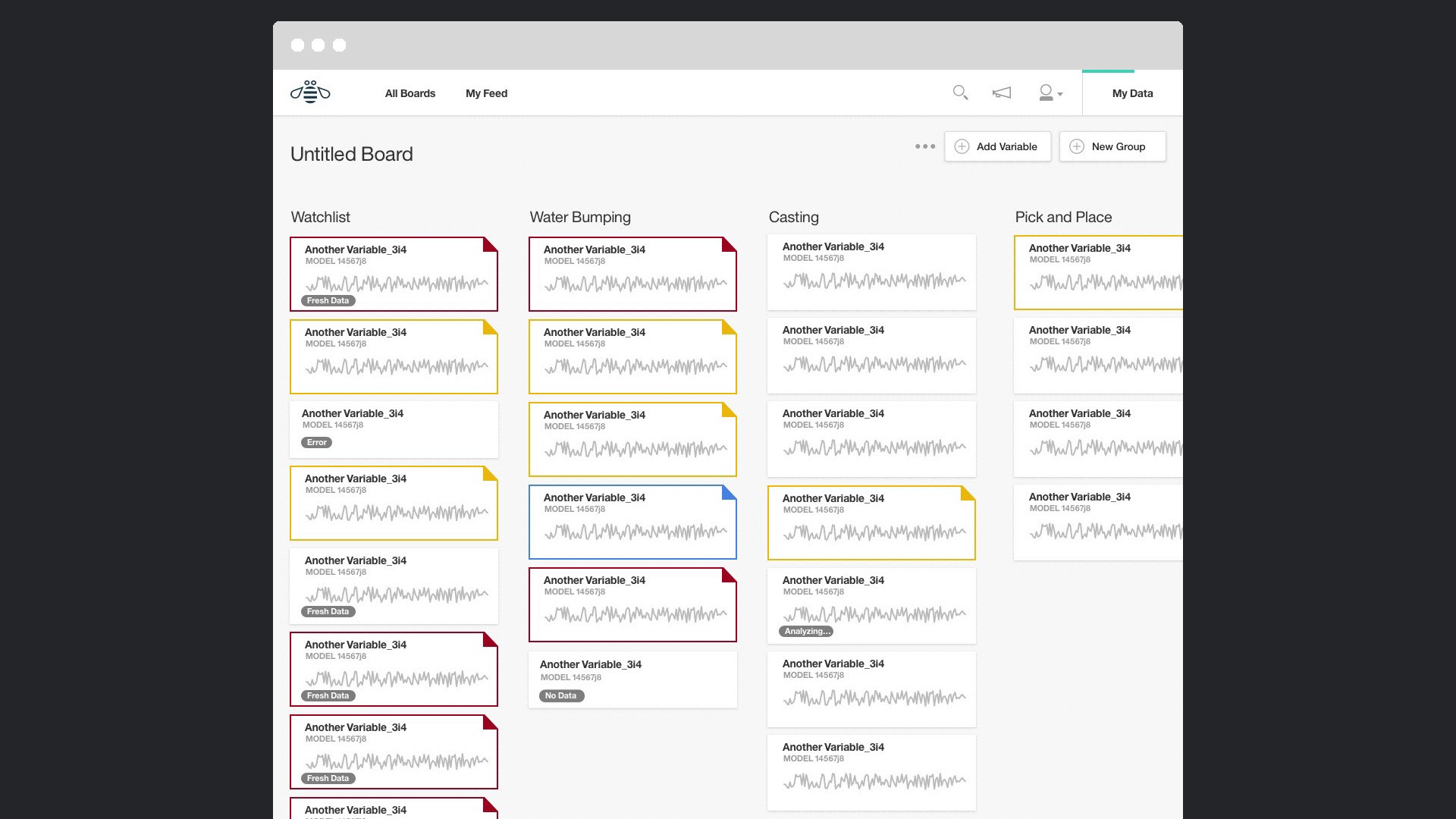
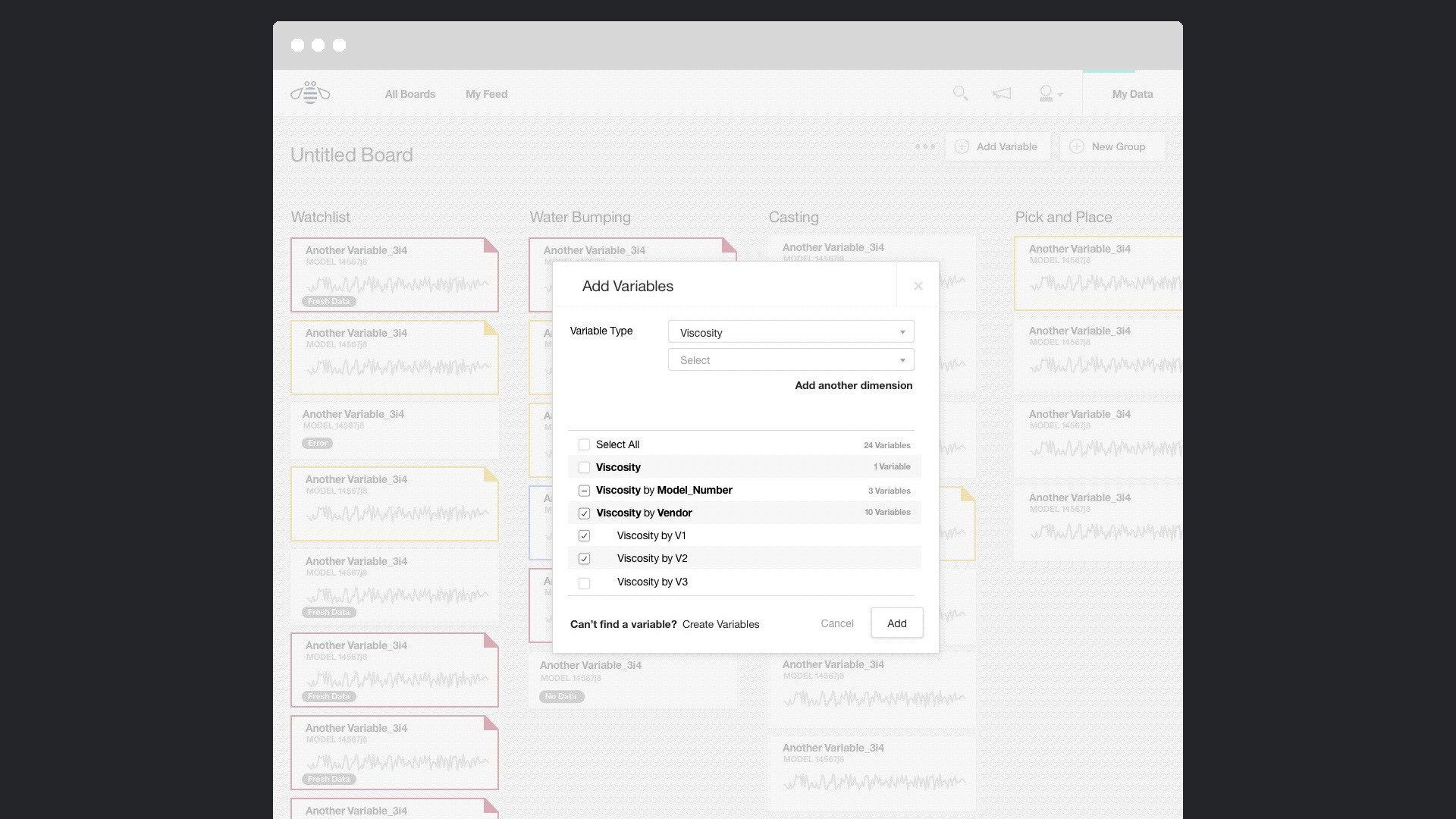
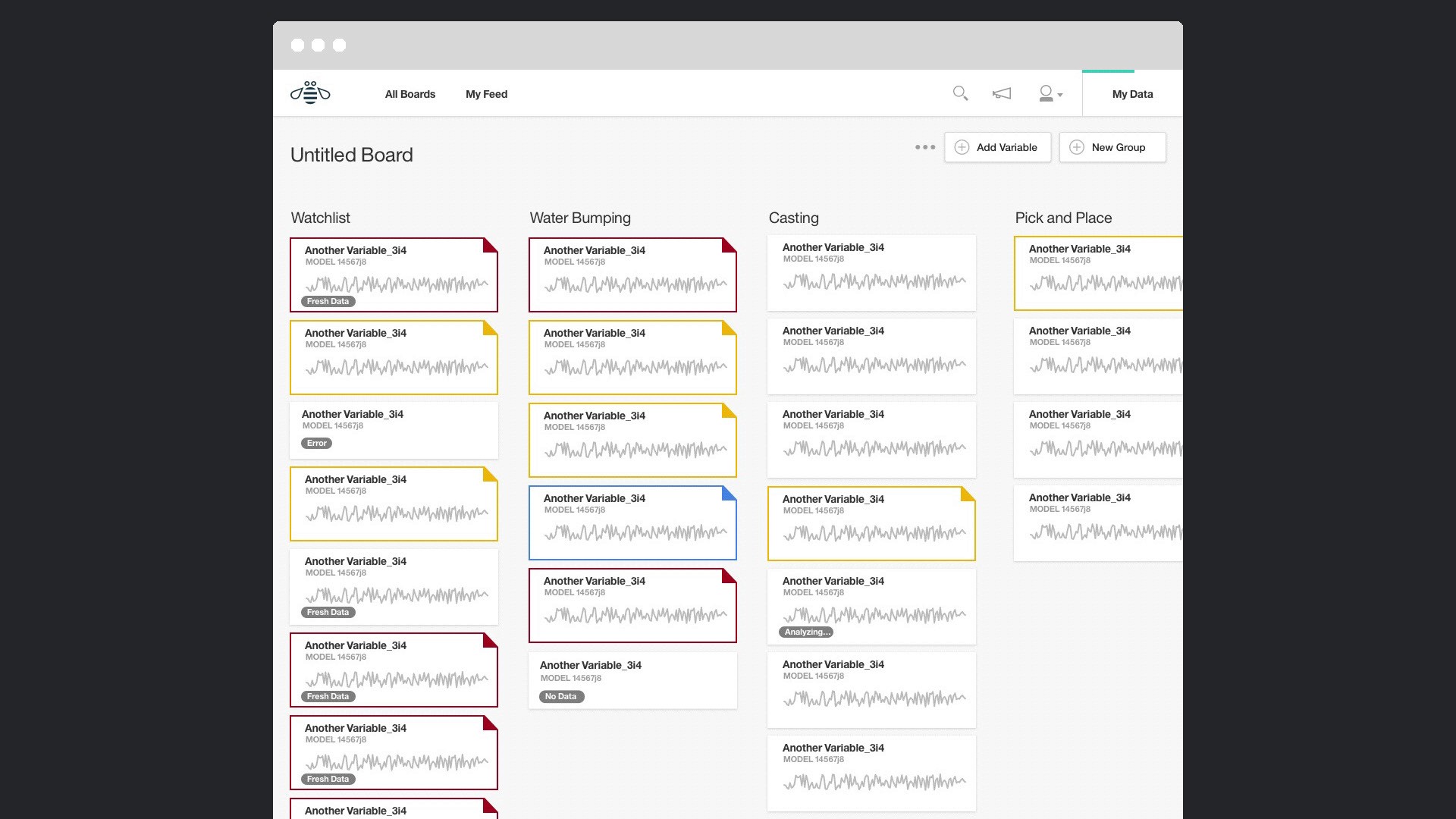
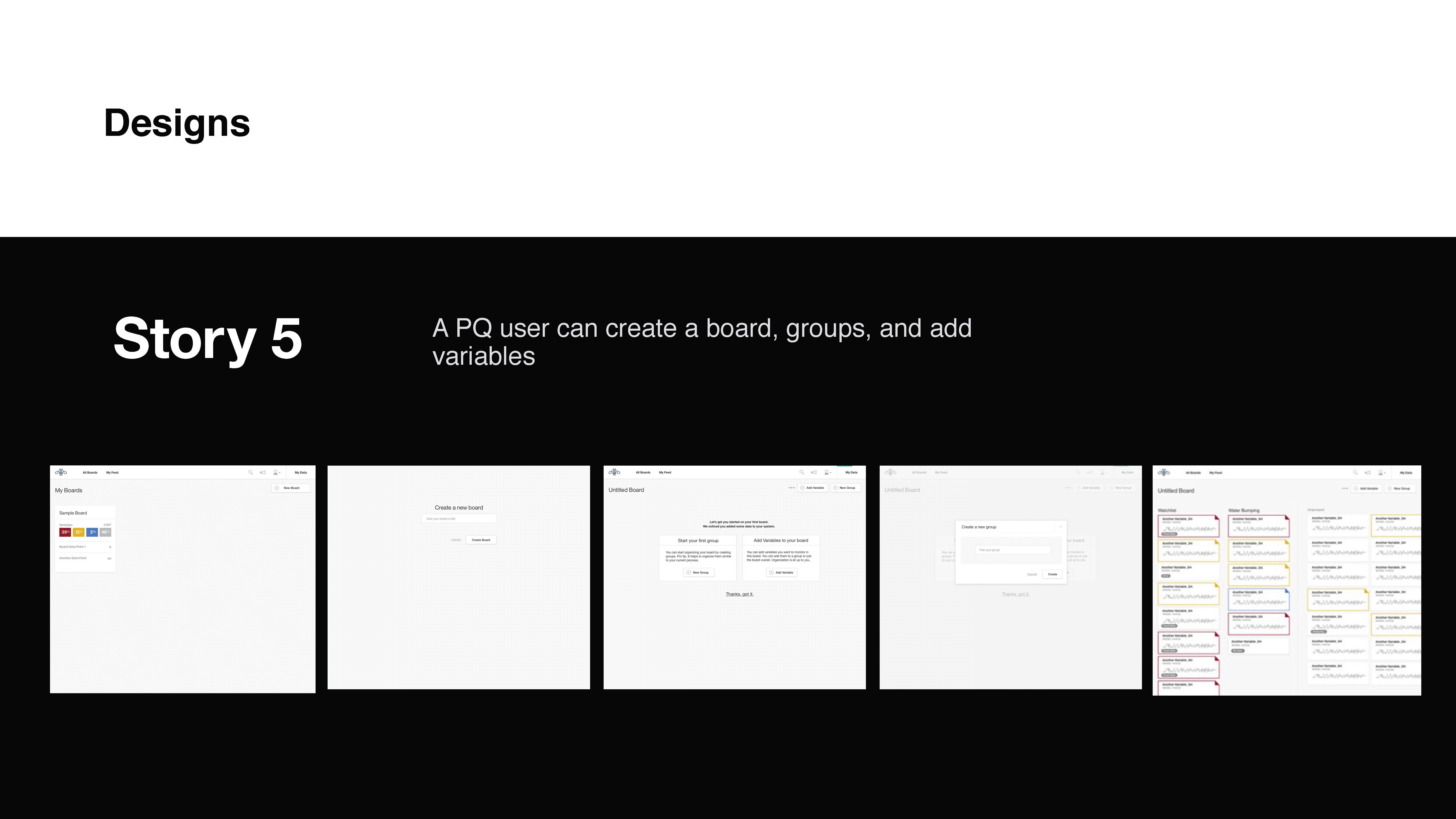
This was the final playback in the cycle, where we moved from rough concepts into a connected set of high-fidelity wireframes organized around the user stories engineering would build against. The fidelity was high enough to make flows feel real and pressure-test interaction patterns, but the visual language was still version 0.1, not a finished design. The point was to validate the experience end to end before sprint planning, lock in story scope with engineering, and surface the last open questions about behavior, hierarchy, and edge cases.